Growing your own vegetables does not require a sprawling backyard or an expensive trip to the local nursery. Everyday household items and leftover kitchen scraps hold everything you need to start a productive home garden. These practical, low-cost methods make vegetable gardening accessible to absolute beginners.
Regrowing Vegetables from Kitchen Scraps
1. Green Onions in Water. Stop throwing away the root ends of your scallions. Cut them an inch above the root and place them in a shallow glass of water. They will sprout new growth in a matter of days and can eventually be transferred to soil.
2. Celery Bases. Chop off the bottom two inches of a celery bunch and sit it upright in a shallow dish of water. Once a strong root system appears at the base, plant it directly in your garden bed.
3. Romaine Lettuce Stumps. Just like celery, the solid stump of a romaine lettuce head will generate fresh leaves. Keep the water fresh daily until the new leaves are established and it is ready for soil.
4. Sprouting Garlic Cloves. Do not throw away older garlic cloves that have started to shoot green stems. Plant them an inch deep in a small pot to harvest mild, flavorful garlic greens for salads and garnishes.
Zero-Cost Seed Starting Containers
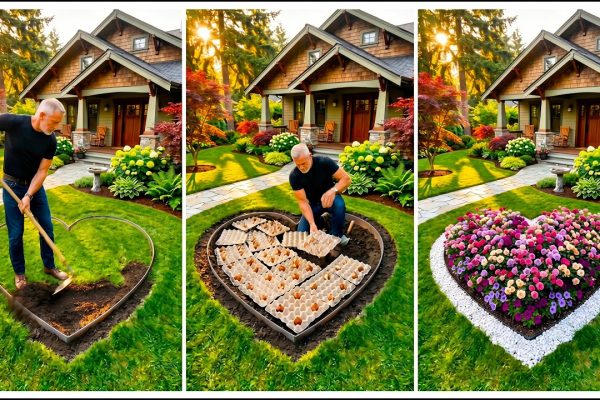
5. Eggshell Planters. Crack eggs near the top, rinse the shells, and poke a tiny drainage hole in the bottom. Fill them with seed-starting mix. When the seedling is ready, plant the crushed shell directly into the ground to provide a slow release of calcium.
6. Toilet Paper Roll Pots. Cut four small slits at one end of a cardboard tube and fold them inward to create a secure base. These act as perfect, biodegradable pots that completely prevent root shock during transplanting.
7. Milk Jug Greenhouses. Slice a plastic gallon milk jug in half horizontally, leaving the handle intact to act as a hinge. Add soil and seeds to the bottom, tape it shut, and leave it outside. The jug traps heat and moisture for early spring germination, a process known as winter sowing.
DIY Planters and Garden Hacks
8. Self-Watering Bottle Planters. Cut a large plastic soda bottle in half. Invert the top half, with a thick piece of cotton string threaded through the cap, into the water-filled bottom half. The string wicks moisture up into the soil, keeping herbs perfectly hydrated with zero effort.
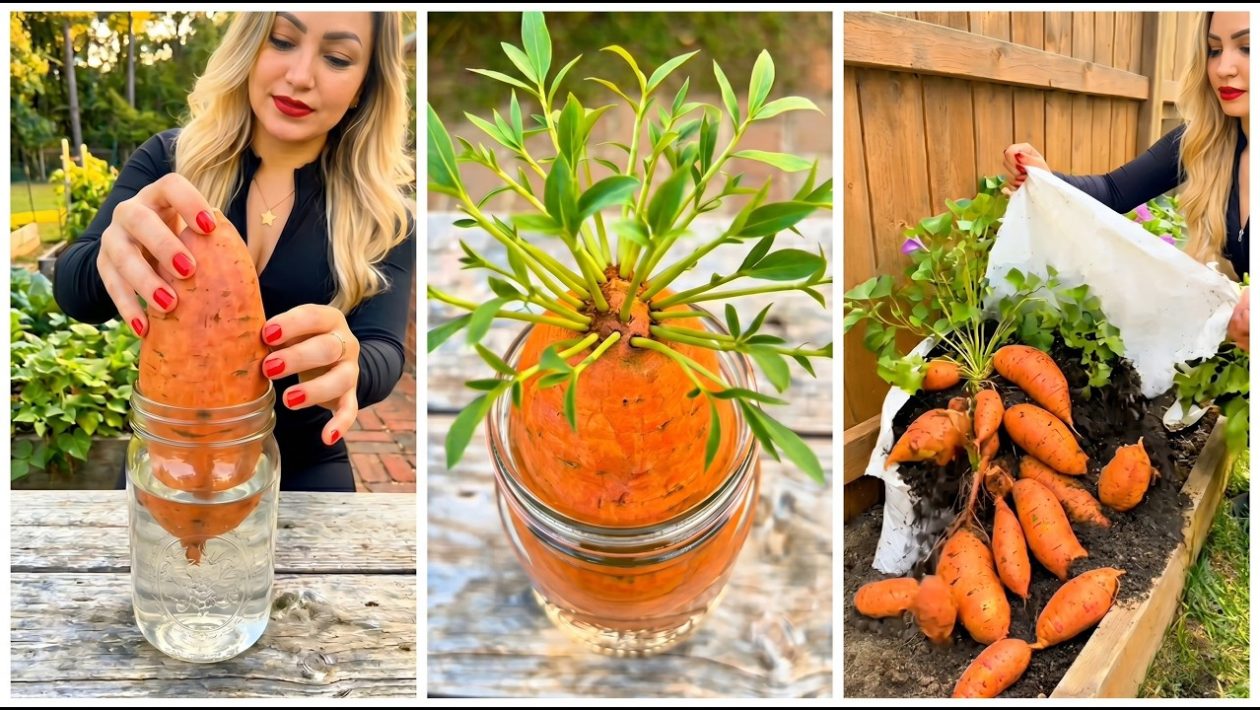
9. Burlap Sack Potatoes. You do not need deep, permanent garden beds to grow heavy root crops. Roll down the edges of a heavy-duty burlap sack or reusable grocery bag, fill the bottom with potting soil, and plant your seed potatoes. Simply add more soil as the plant grows upward.
10. Fallen Branch Trellises. Skip the expensive wire cages for climbing plants like peas, beans, and small cucumbers. Gather sturdy, straight branches from your yard and lash them together at the top with twine to create a rustic, functional teepee.
11. Under-Sink Compost Buckets. You do not need a massive backyard tumbler to start composting. Keep a tightly lidded bucket under your sink for coffee grounds, crushed eggshells, and raw vegetable peelings. Mix this nutrient-dense matter directly into your garden beds to naturally enrich the soil without buying synthetic fertilizers.