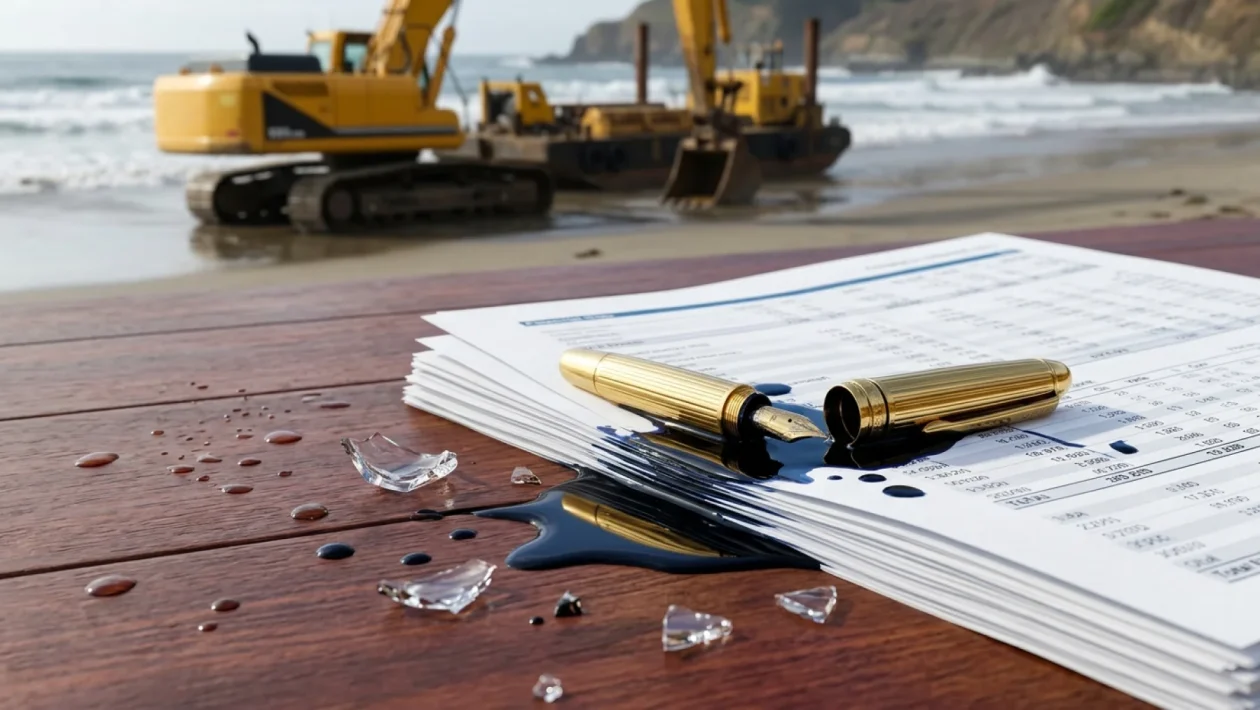
You step up to do the right thing, split a massive bill with a buddy, and assume it’s all sorted. But when the dust settles, you’re left holding a €2 million invoice while your so-called partner absolutely ghosts you. That’s exactly what is happening right now in a bizarre, high-stakes fallout over a stranded marine mammal named Timmy. We’ve all been burned by a casual agreement over a few beers, but when the financial stakes hit the seven-figure mark, a gentleman’s agreement is a ticking time bomb.
Whale Rescue Dispute: The True Cost of Saving Timmy
Saving a massive ocean animal isn’t just about throwing on some rugged Gore-Tex waders and pushing it back into the surf. It requires heavy machinery, specialized marine biologists, and serious, immediate cash. Heading into the height of this July 2026 summer, we are seeing more wealthy individuals trying to fund private conservation efforts.
But Timmy the whale’s rescue mission was a logistical nightmare from the jump. When a multi-ton animal is stranded, the meter runs fast.
| Rescue Expense | Estimated Cost (Daily) |
|---|---|
| Heavy Marine Equipment & Tugs | $75,000 |
| Specialized Vet & Bio Teams | $40,000 |
| Logistics & Hazard Control | $35,000 |
Despite the massive cash injection and the absolute best intentions, the rescue was completely doomed. Timmy didn’t make it. Nature simply doesn’t care about your bank account or your timeline.
Why A Doomed €2 Million Handshake Deal Backfired
When a high-profile horse breeder and an electronics tycoon decided to split the staggering €2 million bill, they made a massive rookie mistake. They relied entirely on good faith and a verbal nod. High-emotion, crisis situations make people incredibly reckless with their wallets.
Here is a sobering reality check: the average large-scale marine salvage or rescue operation easily burns through $250,000 per day in baseline operational costs alone. That’s a hard statistic that catches even the wealthiest, most casual philanthropists totally off guard.
If you are ever pooling money for a massive joint venture, whether it’s buying a fishing cabin with your brother-in-law or funding a maritime rescue, you must lock it down. Here is how you do it right:
- Draft an immediate Memorandum of Understanding (MOU): Get the exact percentage of financial responsibility clearly stated on paper before a single dollar is spent.
- Set up a dedicated escrow account: Never pay out of pocket expecting to be reimbursed later. Fund the account upfront.
- Establish a hard spending cap: Agree on a walk-away number so emotions don’t drain your entire net worth.
- Sign a failure clause: Determine exactly who pays what if the project totally collapses or the mission fails.
Left Two Tycoons At War
Now, the horse breeder is dragging his former partner into court, claiming the electronics magnate flat-out refused to pay his half of the tab. When a mission fails and the positive PR boost vanishes, suddenly nobody wants to pay the piper.
If they had just routed the funds through a massive, secure institution like RBC into a locked escrow account, this bitter legal war would never have happened. Instead, they’re paying lawyers more than the rescue itself.
“In high-stress rescue operations, adrenaline replaces common sense. If you don’t secure the funding in writing before the boats leave the dock, you are effectively volunteering to pay the entire bill yourself.”
You can’t build a house on a shaky foundation, and you sure can’t fund a multi-million-dollar maritime operation on a verbal promise.
Frequently Asked Questions
Are handshake deals legally binding for joint ventures?
Technically, verbal contracts can be legally binding, but they are an absolute nightmare to prove in court. Without a paper trail, text messages, or a signed contract, it usually boils down to a messy “he-said, she-said” battle that only enriches the lawyers.
Why do marine rescues cost so much money?
You aren’t just paying for boats. You are paying for highly specialized crane operators, hazardous material handling, emergency veterinary teams, and massive liability insurance policies to operate near protected coastlines.
What happens when a privately funded rescue fails?
If the rescue fails, the contractors and equipment rental companies still need to be paid. The bill doesn’t magically disappear just because the outcome was tragic, which is exactly why this €2 million dispute exploded.
🤝 Good luck trying to get your money back from a buddy without a rock-solid contract to back you up.
💡 Protect your assets by getting absolutely everything in writing, no matter how noble the cause or how insanely wealthy your partner might be.
📱 Share your thoughts below if you’ve ever been burned by someone who conveniently “forgot” their wallet when the massive bill finally arrived.
👇 Stay sharp, keep your tools clean, and never fund a sinking ship on a promise.