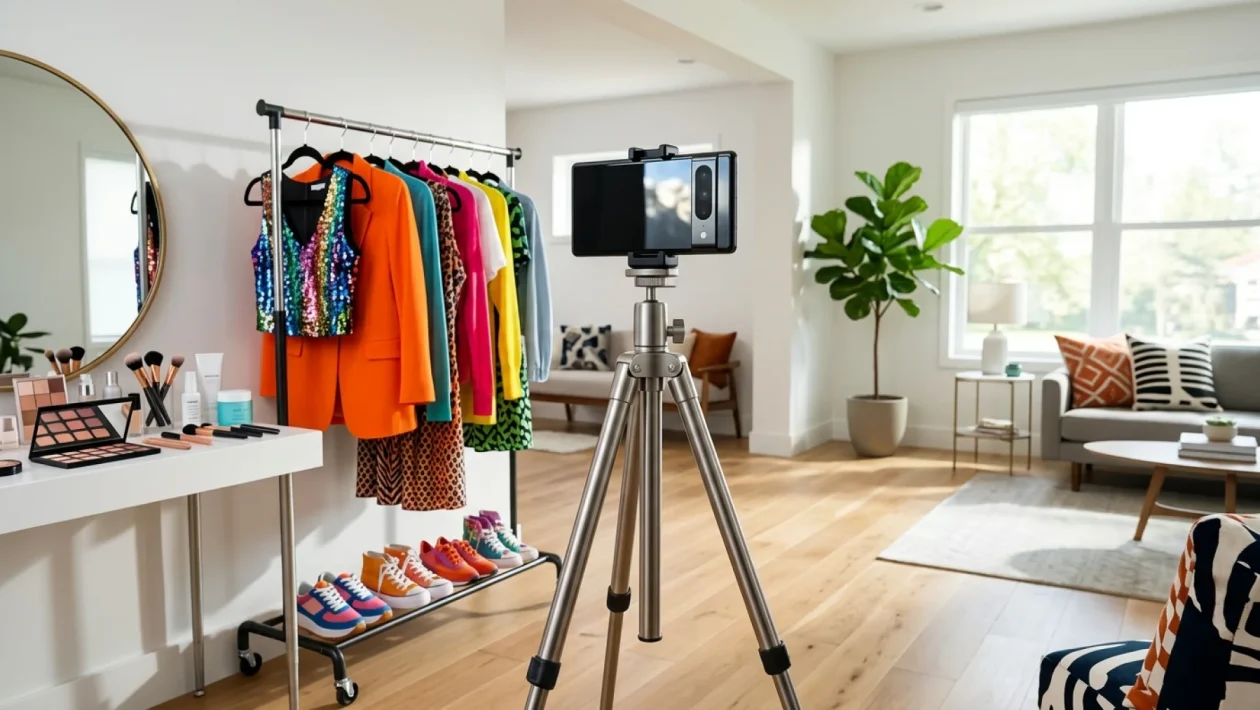
The moment you open Instagram this week, you hear the exact same hyperpop beat drop. The Slayyyter dance transition audio has officially taken over Reels, generating millions of views across thousands of creator accounts in just a few days. Based on what we are seeing today in social audio trends, this is not just a random viral moment. It is a masterclass in how modern music is fundamentally engineered for visual content.
The Mechanics Of A Perfect Transition Track
I track how music moves across social platforms, and the anatomy of this specific Slayyyter audio is practically built in a lab for content creators. The viral clip relies on a massive, undeniable shift in tempo and energy.
Here is why this specific audio works so well:
- The Setup: A slower, muffled build-up that gives creators the exact amount of time needed to pose in their “before” state.
- The Drop: A sharp, aggressive synth crash perfectly timed for a dramatic video cut.
- The Payoff: A fast-paced, high-energy beat that matches perfectly with sharp choreography, an outfit change, or a sudden makeup reveal.
Creators do not just want background music anymore. They need an audio tool that acts as a director, telling them exactly when to cut the frame.
Why The Algorithm Rewards The Shift
Let us look at how the Instagram algorithm processes user behavior in 2026. When viewers watch a short-form video, the platform heavily measures retention rate and loop rate.
A sharp visual transition timed to a heavy beat forces the viewer’s brain to re-engage. You watch it once to see the final look. You watch it twice to see if you can catch the exact moment the cut happened. That second loop signals to the algorithm that the video is highly engaging, pushing it out to the main feed.
Slayyyter’s track provides the perfect, high-contrast audio spike to trigger that repeat viewing. The audio does half the heavy lifting for the video editor.
The Next Step For Social Audio
We have moved past the era where artists simply hope a random 15-second snippet of their song catches on. The success of the Slayyyter dance transition shows a clear path forward for the music industry.
I expect to see labels and independent artists releasing dedicated “transition edits” alongside standard streaming mixes. Instead of just pushing a catchy chorus, musicians will increasingly engineer tracks specifically designed to help video creators execute seamless visual cuts.
The audio is no longer just the soundtrack; it is the software running the video. The real question is, how long until major streaming platforms start categorizing new releases purely by their utility for video transitions?