You sit back, laugh at the punchlines, and envy the seemingly flawless cast on your screen, but you rarely see the grueling physical toll it takes to get into that frame. For decades, the entertainment industry has demanded literal flesh and bone as an entry fee, pushing perfectly healthy actors to extreme limits just to land a part. We are pulling back the curtain on the brutal reality of studio-mandated weight loss, starting with the hidden sacrifices of one of television’s most iconic stars.
Look, I’ve spent enough time around film sets from Vancouver to Los Angeles to know that what happens behind the camera is rarely as glamorous as what you see on it. If you think making it in showbiz is just about remembering your lines, you are severely underestimating the scale of the physical expectations placed on performers. Let’s break down exactly what it takes to survive the casting couch, why the system is fundamentally broken, and how the industry is slowly trying to rebuild itself.
Hollywood Body Standards: The Brutal Reality
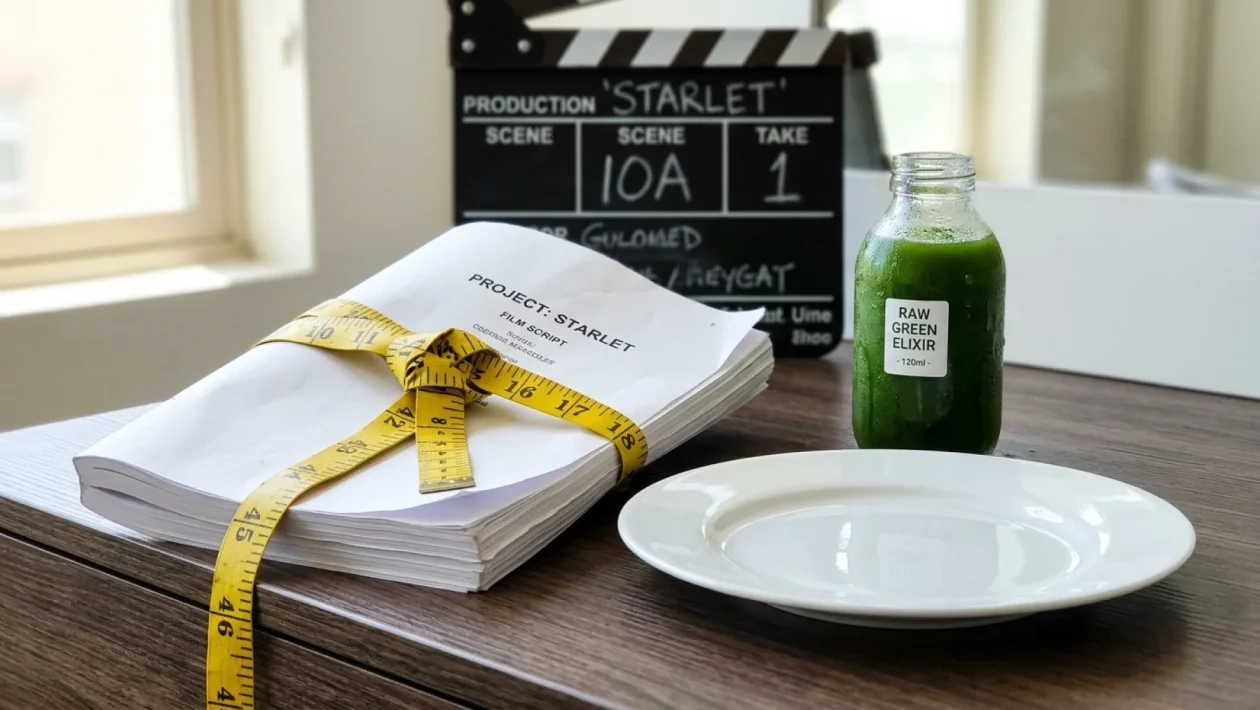
Here we are in the sweltering summer of July 2026, and you’d think we’d have moved past the draconian casting rules of the 1990s. The hard truth is that Hollywood body standards still cast a long, oppressive shadow over the industry. Actors are routinely asked to mold their bodies like clay to fit an executive’s narrow vision of marketability.
It’s not just an American issue, either. Up here in Canada’s booming film hubs, I’ve seen actors pacing outside Toronto casting offices, skipping actual meals and surviving on cold-pressed concoctions from Greenhouse Juice Co. just to keep their waistlines razor-thin. It is a grueling, exhausting way to live.
Consider this shocking fact: recent industry surveys reveal that over 63% of professional actors have experienced direct pressure from agents or casting directors to drastically alter their weight for screen roles. It is a systemic issue that treats human beings like walking, talking mannequins.
| The Hollywood Myth | The On-Set Reality |
|---|---|
| Natural, effortless beauty | Exhausting, mandated crash diets |
| Talent guarantees success | Your waist measurement often dictates your opportunities |
| Superheroes are built in the gym | Severe dehydration and dangerous calorie deficits |
The 30-Pound Sacrifice: Shrinking for the Screen
Let’s talk about the specific sacrifice that built a television empire. According to Saul Austerlitz’s revealing book, Generation Friends, Jennifer Aniston was told point-blank that she was too heavy to make it in Hollywood. Her agent delivered the classic, soul-crushing line: “The camera adds 10 pounds.”
Aniston wasn’t out of shape by any stretch of the imagination. Yet, to secure the role of Rachel Green, she was forced to completely overhaul her lifestyle and shed a staggering 30 pounds. She traded regular meals for restrictive diets just to appease network executives.
It is wild to think about the physical discipline required to drop that much weight while dealing with the stress of pilot season. You can bet she was sweating it out daily, probably burning through her Lululemon gear, just to fit into the microscopic wardrobe required for a 90s sitcom star.
Behind Jennifer Aniston’s Friends Fame: The Cost of Stardom
There is no denying that Aniston’s sacrifice paid out massive dividends. From 1994 to 2004, Friends dominated the global cultural zeitgeist, turning her from a struggling actress into a household name. She parlayed that success into a massive film career and her very own production company.
But that meteoric rise came with a heavy, invisible tax. When an actor is forced to shrink themselves to find success, it sends a dangerous ripple effect through the audience. Millions of viewers subconsciously absorb those Hollywood body standards, wondering why they don’t look like the stars on their screens.
“The expectation that a talented actor must literally shrink their physical footprint to fit a role is an archaic relic of a bygone era. We are slowly shifting the dialogue, but make no mistake—the tape measure still holds entirely too much power in modern casting rooms.”
Navigating the Industry: A Blueprint for Change
Thankfully, the pushback has begun. Actors in 2026 are getting louder about the dangerous extremes expected of them, from sitcom stars to the muscle-bound heroes of the Marvel Cinematic Universe. If you’re an aspiring actor trying to navigate this minefield without losing your sanity, there is a right way to handle the pressure.
- Establish Hard Boundaries: Sit down with your representation early on and clearly state what you are, and are not, willing to do to your body for a role.
- Hire Certified Professionals: If a role does require a physical transformation, refuse crash diets. Insist the studio pays for a registered dietitian and a certified trainer to manage the process safely.
- Target Body-Positive Productions: Seek out showrunners and directors who prioritize authentic talent over cookie-cutter physical aesthetics. The landscape is changing, and you can choose where to invest your energy.
Frequently Asked Questions
Did Jennifer Aniston complain about the weight loss?
Historically, Aniston has been quite diplomatic, often expressing comfort in her own skin and an eventual appreciation for healthier eating habits. However, the initial mandate to lose 30 pounds came entirely from external industry pressure, not personal choice.
Are male actors subjected to these same standards?
Absolutely. While women have historically faced harsher scrutiny regarding thinness, men face immense pressure to achieve impossible, dehydrated, superhero physiques. Actors like Will Poulter have recently spoken out about the dangerous physical tolls required for comic book movies.
Is Hollywood actually getting better in 2026?
It is a mixed bag. We are seeing more diverse body types on screen today than a decade ago, which is fantastic. But behind closed doors, many leading roles still come with an unspoken, rigid physical requirement.
🤝 Thank you for reading, friends. It’s time we stop letting a screen dictate what a healthy body looks like, whether you’re starring in a blockbuster or just living your life.
💡 Awareness is the first step to change. By talking openly about the extreme lengths actors are pushed to, we strip away the unrealistic illusions of perfection that the entertainment industry sells us.
📱 I want to hear from you. Did you realize the intense physical sacrifices behind your favorite 90s sitcoms, or does this change how you view the industry?
👇 Share your thoughts in the comments below, pass this article along to a fellow movie buff, and keep supporting media that values real talent over a number on a scale. Good luck out there, and stay authentic!