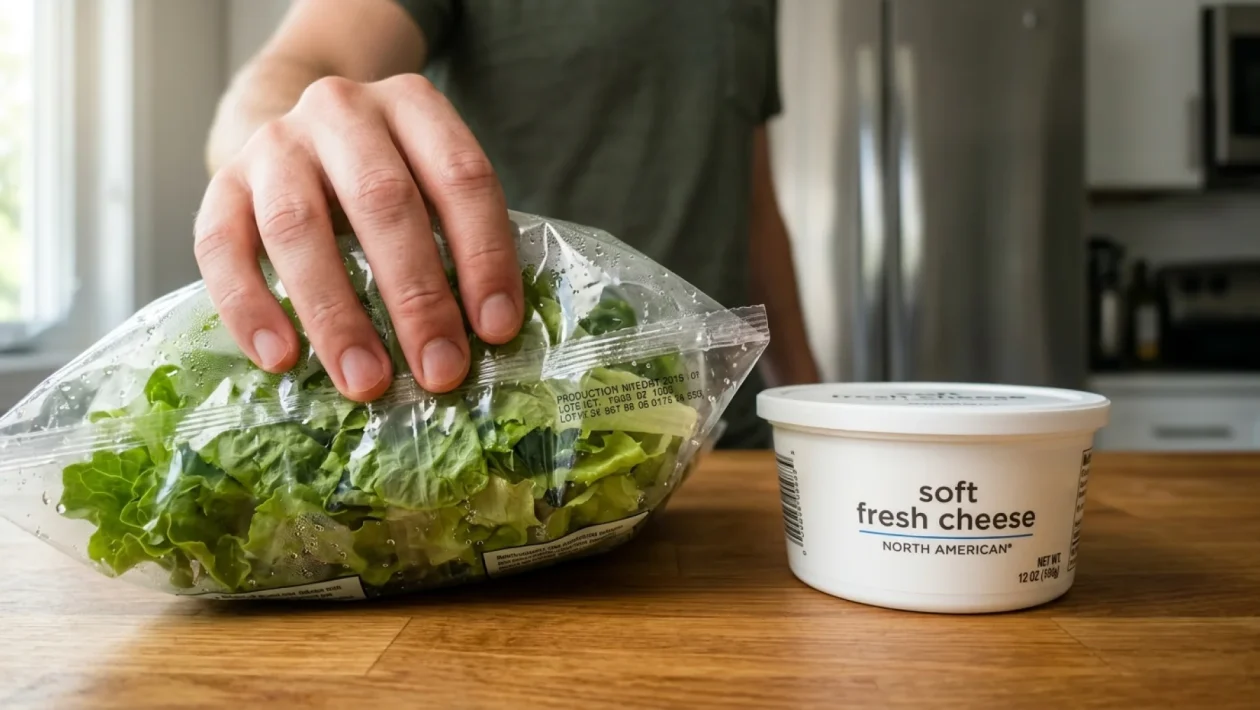
You’re about to fire up the grill for a mid-summer cookout, but that potato salad might have a hidden hitchhiker. The FDA food recall list just got a massive update this Friday, July 10, and it is directly impacting shelves on both sides of the border. We are talking about listeria, salmonella, and unlisted allergens creeping right into our everyday groceries.
Nobody wants to spend their July 2026 weekend dealing with food poisoning. I am going to walk you through exactly what to look for on those labels. We will decode the confusing lot numbers and make sure you get your hard-earned cash back without a headache.
FDA Food Recall List Expanded: Why The Sudden Spike?
If it feels like there is a new recall alert hitting your phone every single week, you are not crazy. Summer heat naturally puts stress on the cold supply chain, but that is only half the story. The truth is, the technology used by food safety watchdogs has become incredibly ruthless.
Did you know that advanced whole-genome sequencing has increased contamination detection rates by a staggering 42% over the last five years? The food is not necessarily getting dirtier; the inspectors are just getting much smarter.
This tightening net means even top-tier distributors are getting caught out. Big players that supply giants like Loblaws and Whole Foods are suddenly scrambling to pull products. It is a massive logistical nightmare for them, but a vital safety net for us.
The Friday July 10 Danger Zone: Fresh Produce And Dairy
The expansion for Friday, July 10 is heavily focused on the perimeter of the grocery store. We are not looking at canned beans today; the primary culprits are fresh, perishable goods. Bagged leafy greens and artisanal dairy products are leading the charge in this latest bulletin.
Here is a quick breakdown of the specific categories flagged in this update and the risks they carry.
| Product Category | Contamination Risk |
|---|---|
| Bagged Summer Salads & Slaws | Listeria monocytogenes |
| Soft Cheeses & Yogurt Dips | Salmonella |
| Pre-marinated BBQ Skewers | Undeclared Soy/Dairy |
If any of these items are sitting in your crisper drawer right now, you need to pause your meal prep. Consuming even a small amount of a contaminated batch can ruin your entire month.
What You Need To Toss Right Now: The Ultimate Checklist
Don’t panic and throw away hundreds of dollars in groceries just yet. You need to act like a detective and cross-reference your fridge contents methodically. Here is exactly how to handle the situation like a pro.
- Isolate the suspect items: Pull any bagged greens, dips, or dairy matching the general descriptions out of your fridge immediately.
- Verify the lot codes: Look right next to the barcode for the “Best By” date and the specific alphanumeric manufacturing lot number.
- Sanitize the shelf: If you find a match, wash the exact shelf where the food was stored with hot, soapy water to prevent cross-contamination.
- Secure your refund: Take a clear photo of the barcode and lot number, seal the item in a double garbage bag, and toss it outside. Show the photo to customer service for a full refund.
“When in doubt, throw it out. A thirty-dollar grocery bill is never, ever worth a three-thousand-dollar trip to the emergency room,” says Dr. Sarah Jenkins, a leading North American food safety toxicologist.
She is absolutely right. A little diligence today keeps your family healthy tomorrow.
Frequently Asked Questions
Does this FDA list affect Canadian grocery stores?
Yes, absolutely. Because the North American supply chain is heavily integrated, Canadian agencies like the CFIA frequently mirror FDA alerts. Many recalled products are packaged in the US and shipped directly to Canadian shelves.
Can I get a refund if I threw the food away without a receipt?
Most major grocery chains will honor a recall refund without a receipt if you have photographic proof of the packaging and lot number. They understand the health risk and usually offer store credit no questions asked.
What happens if I accidentally ate a recalled item?
Do not panic, but do monitor your health closely. Symptoms of listeria or salmonella can take anywhere from a few hours to a few days to appear. If you develop a severe fever, muscle aches, or gastrointestinal distress, contact a doctor immediately and mention the recall.
🤝 Good luck sorting through the fridge this weekend, folks. I know dealing with a sudden FDA food recall is a total hassle, but keeping your family safe is always job number one.
💡 If you found this breakdown helpful, don’t keep it to yourself. Send it over to your neighbors before they fire up the neighborhood grill.
📱 I would love to share your thoughts on this recent wave of grocery alerts. Have you noticed more bad batches this summer, or is it just my imagination?
👇 Drop a comment below, and let’s keep each other informed and healthy out there!