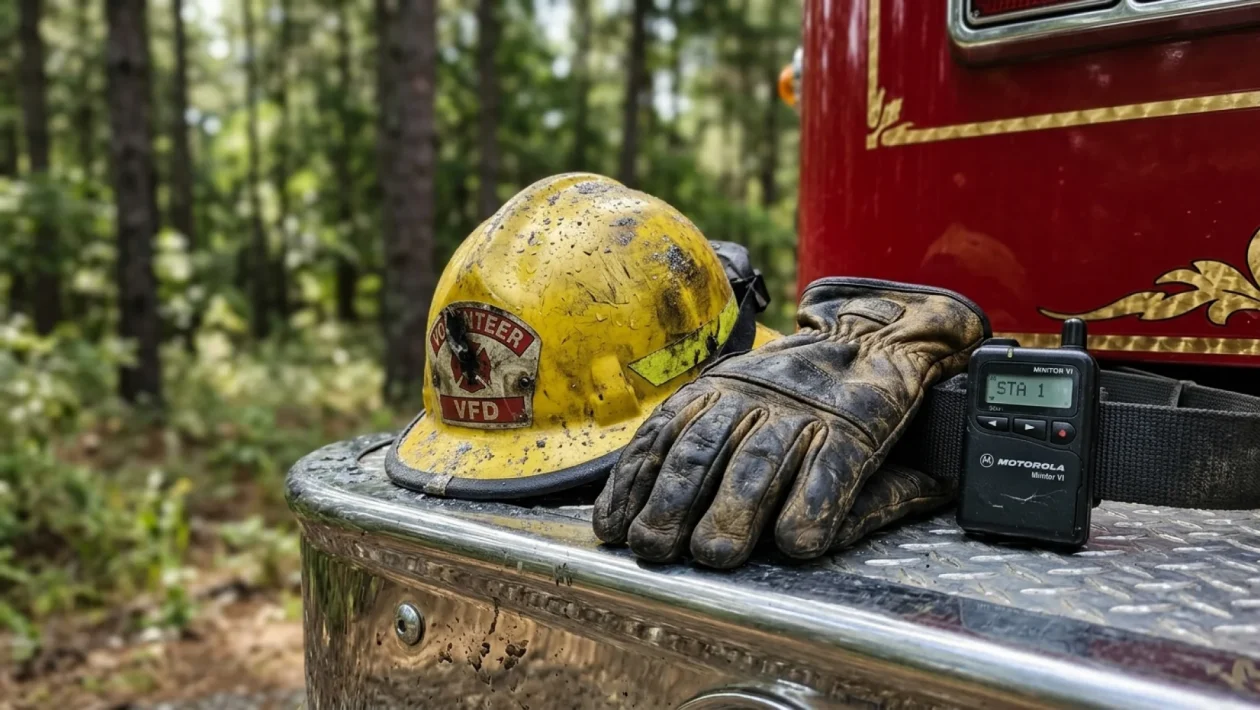
When that small black pager clips to a belt and goes off at 2 a.m., it’s not a full-time city squad responding. It’s your local mechanic, the guy who fixed your plumbing last week, or the teacher from down the street. They drop everything to sprint into chaos, and as we just saw with a heartbreaking tragedy in Nova Scotia, the biggest threat they face out there isn’t always the flames. The sheer physical exhaustion of battling unpredictable spring wildfires is pushing human bodies beyond their breaking point.
Volunteer Firefighters: The Backbone Of Rural Canada
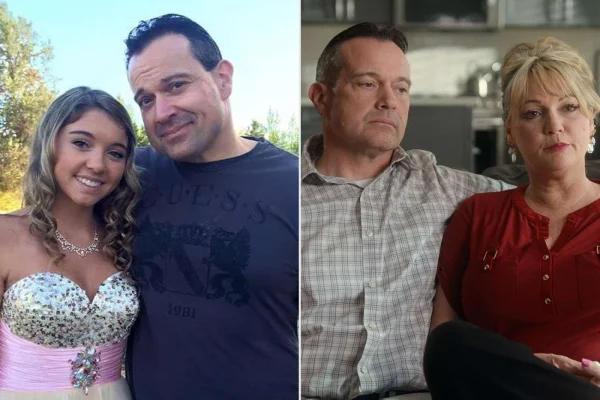
We just lost one of the good ones. Alexandru Uichita, a 40-year-old husband and father of three, passed away this May while battling a stubborn brush fire in Moschelle, Annapolis County.
He was relatively new to the Bridgetown Volunteer Fire Department, joining the crew in 2024. Despite his short tenure, his fellow firefighters already knew him as a dedicated “quiet leader” who cared deeply for his community.
Here is a hard reality check: roughly 71% of all firefighters in Canada are volunteers. Without these men and women giving up their evenings, weekends, and family dinners, our rural communities would be entirely unprotected.
The Hidden Medical Dangers Of Wildfires
Alexandru didn’t perish in the flames; he suffered a sudden medical episode right on the fireground. This is the silent, devastating killer in the modern fire service.
People picture the obvious danger of burning timber, but they completely underestimate the extreme physiological load placed on the human heart. You are hauling heavy, water-filled hoses through dense, uneven bush while wearing heavy protective gear that traps your body heat.
You can sweat through a heavy-duty Stanfield’s base layer in under ten minutes flat when working a wildland fire. Your core temperature spikes, severe dehydration sets in rapidly, and the massive adrenaline dump sends your blood pressure through the roof.
“Wildland firefighting is essentially running a marathon in a sauna while breathing in particulate matter. The cardiovascular strain is the single most dangerous, yet overlooked, element on the fireground today.”
Let’s look at exactly what these community heroes are putting their bodies through on a standard brush call.
| Fireground Factor | Impact on the Human Body |
|---|---|
| Heavy Turnout Gear | Traps body heat, accelerating heat exhaustion and rapid fluid loss. |
| Uneven Terrain | Spikes heart rate due to extreme exertion while carrying 40+ lbs of equipment. |
| Smoke Inhalation | Reduces oxygen in the bloodstream, forcing the heart to pump dangerously fast. |
Supporting Our Quiet Leaders
We can’t bring back the quiet leaders we lose, but we absolutely can make the job safer for the men and women still riding the trucks. You don’t need to strap on a helmet to make a tangible difference in your local response area.
Here is exactly how you can step up and lighten the load for your local volunteers this season:
- FireSmart Your Property: Take a weekend to clear dead brush, dry leaves, and combustible debris at least 10 meters away from your home and outbuildings.
- Fund Meaningful Gear: Don’t just drop off a box of Tim Hortons donuts. Donate directly to the department’s association to help fund advanced cooling vests and better hydration packs.
- Respect the Flashing Lights: If you see a civilian truck with a flashing green or red light in your rearview mirror, pull over immediately. They are trying to save a life, and seconds matter.
Frequently Asked Questions
Do volunteer firefighters get paid?
Most receive a small honorarium or an hourly stipend for emergency calls and training sessions. However, it rarely covers the personal time and wages lost from their day jobs—they do it for the community, not the paycheck.
What is the leading cause of firefighter fatalities?
It isn’t burns or structural collapses. Sudden cardiac events account for roughly half of all line-of-duty deaths due to the extreme physical and thermal stress placed on the heart.
How can I join my local volunteer fire department?
Stop by your local fire hall on their weekly training night. They are almost always desperately looking for physically capable, dedicated locals to join the ranks and help protect the community.
🤝 It takes a special kind of person to run toward disaster when everyone else is packing their vehicles to leave.
💡 We owe it to men like Alexandru Uichita—and the grieving family he leaves behind—to be smarter, safer, and more supportive this wildfire season.
📱 Take ten minutes today to check your property for fire hazards, and maybe consider reaching out to your local hall to see what they need.
👇 Stay safe out there, Canada. Share your thoughts below, and pass this article along to your neighbors to help support our incredible volunteer crews!