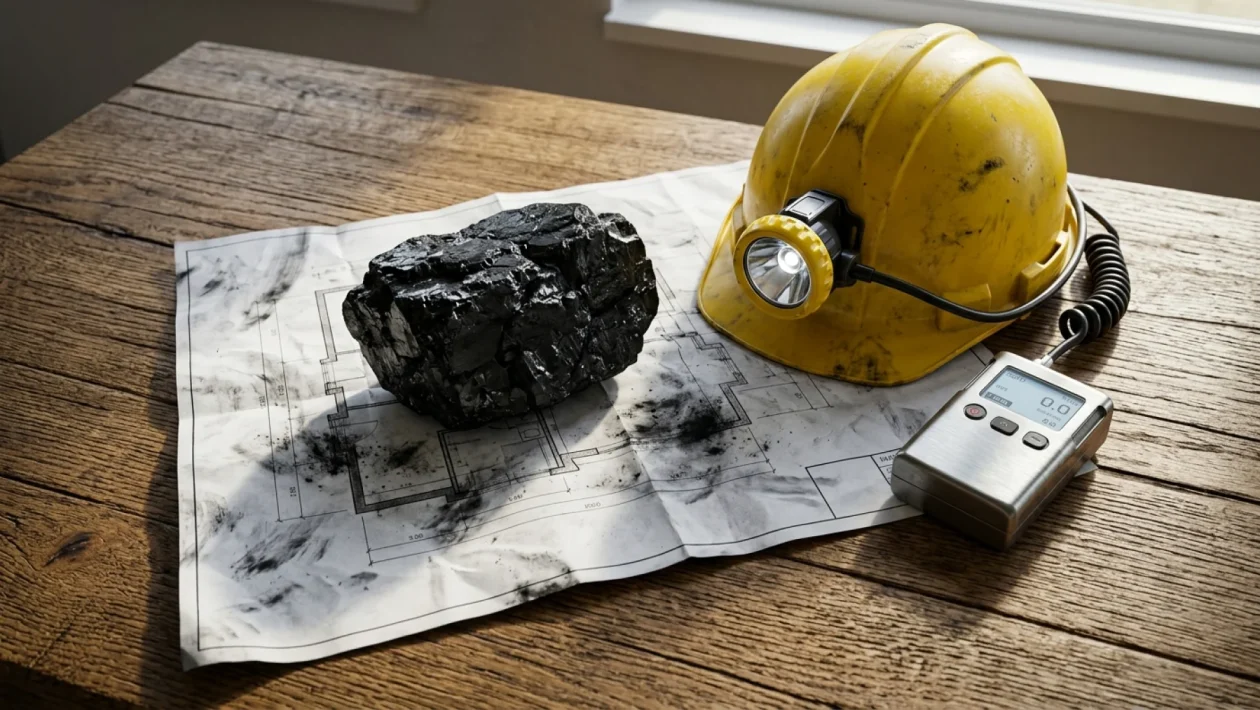
A massive gas explosion deep underground is every miner’s worst nightmare, and this spring, that nightmare became a grim reality in northern China. We are looking at 82 lives lost, dozens hospitalized, and a chaotic rescue operation severely hampered by corporate deceit. When you spend years covering industrial sites and heavy machinery, you learn quickly that safety regulations are written in blood. This wasn’t just an unavoidable accident; it was a catastrophic failure of basic operational integrity. Let’s dig into the dirt of what exactly happened at the Liushenyu coal mine, why first responders were literally flying blind, and how this localized tragedy is about to send shockwaves through the global energy sector.
The Shanxi explosion
Late on a Friday evening in May 2026, a devastating gas explosion ripped through the Liushenyu coal mine in Qinyuan county. The initial aftermath was complete chaos. Hospitalized miners reported seeing thick, choking smoke billowing through the shafts before blacking out entirely. Hundreds of medical personnel and specialized rescue crews were immediately dispatched to pull survivors from the rubble.
The sheer scale of the operation was staggering, but early reporting was a mess. The official death toll initially sat at 90 before being revised down to 82. Local officials blamed the discrepancy on the sheer pandemonium at the site and wildly inaccurate information fed to them by the mine operators. To put the regional scale into perspective, the inland province of Shanxi produces roughly 1.3 billion tons of coal annually. That is a jaw-dropping one-third of China’s total national output.
When a disaster of this magnitude hits a subterranean facility, rescue isn’t as simple as just walking through the front door. Emergency crews rely on top-tier gear from North American safety giants like MSA Safety just to breathe, and they follow a strict, unforgiving protocol.
- Ventilation Assessment: Crews must first determine if the shaft has breathable air or if explosive gases are still pooling in the dark.
- Structural Shoring: Before advancing, compromised tunnel ceilings are braced to prevent secondary collapses from crushing the rescue teams.
- Grid Searches: Teams move systematically through the dark, using thermal imaging and air monitors to locate trapped miners.
- Extraction: Survivors are stabilized on-site, fitted with emergency respirators, and carefully hoisted back to the surface.
Fatal blueprint cover-ups
Here is the part that makes my blood boil. The coal mine operators didn’t just violate safety laws; they handed emergency crews fake maps. State broadcasters revealed that the blueprints provided by the Liushenyu mine completely failed to match the actual underground layout. When a rescue crew steps into a compromised, smoke-filled shaft, those blueprints are their only lifeline.
In North America, companies like Teck Resources utilize rigorous digital mapping and strict government oversight to ensure underground plans are accurate to the millimeter. Falsifying a mine layout to hide illegal, off-the-books extraction zones is a deadly gamble. Because of these phantom tunnels, rescuers wasted precious hours hitting dead ends while trapped miners waited in the dark.
“When you send a rescue team into a compromised shaft with fake maps, you aren’t just delaying the extraction—you are actively turning first responders into victims,” notes David Corwin, a veteran mine safety engineer. “It is the ultimate betrayal of industrial trust.”
The global energy fallout
You might be wondering how a tragic accident in Shanxi impacts you at the gas pump or on your heating bill. It comes down to supply chain shock. Following the disaster, Chinese authorities ordered a comprehensive, blanket inspection of the entire coal mining sector. They are cracking down on gas drainage, safety monitoring, and underground layouts.
When you shut down massive chunks of a province that produces 1.3 billion tons of coal for surprise inspections, production grinds to a halt. Even as the world transitions to green energy, coal remains a massive, cheap baseline fuel for global manufacturing. A sudden dip in Chinese output forces them to import more, which spikes global demand and drives up energy costs everywhere.
| Action Taken | Global Market Consequence |
|---|---|
| Blanket safety inspections | Immediate halt or slowing of regional coal production. |
| Supply chain tightening | Increased reliance on imported energy, driving up global fuel prices. |
| Corporate accountability | Tighter international regulations and higher operational costs for raw materials. |
Frequently Asked Questions
What causes a coal mine gas explosion?
Coal seams naturally release methane gas as they are mined. If the mine’s ventilation system fails or is inadequate, this highly combustible gas pools in the tunnels. All it takes is a single spark from heavy machinery or faulty wiring to ignite a catastrophic blast.
Why did the authorities lower the death toll?
The casualty count dropped from 90 to 82 because the initial reporting was incredibly chaotic. The mine operator provided inaccurate employee rosters and false information to the government, leading to double-counting and confusion during the frantic early hours of the rescue.
Will these safety inspections actually change anything?
President Xi Jinping has publicly called for strict accountability, and the mine operators are currently in police custody. While past accidents have led to temporary crackdowns, sustained change requires constant, unannounced government oversight and zero tolerance for falsified blueprints.
🤝 Safety isn’t just a buzzword; it is the absolute foundation of any industrial operation. When corners get cut in the dark, real people pay the ultimate price.
💡 The fallout from this tragedy will likely force international energy markets to brace for turbulence, but more importantly, it should serve as a massive wake-up call for industrial operations worldwide.
📱 I want to hear from you on this one. Share your thoughts on industrial safety standards and whether you think massive fines are enough to stop corporate cover-ups.
👇 Drop a comment below, share this breakdown with anyone interested in global energy, and stay safe out there.