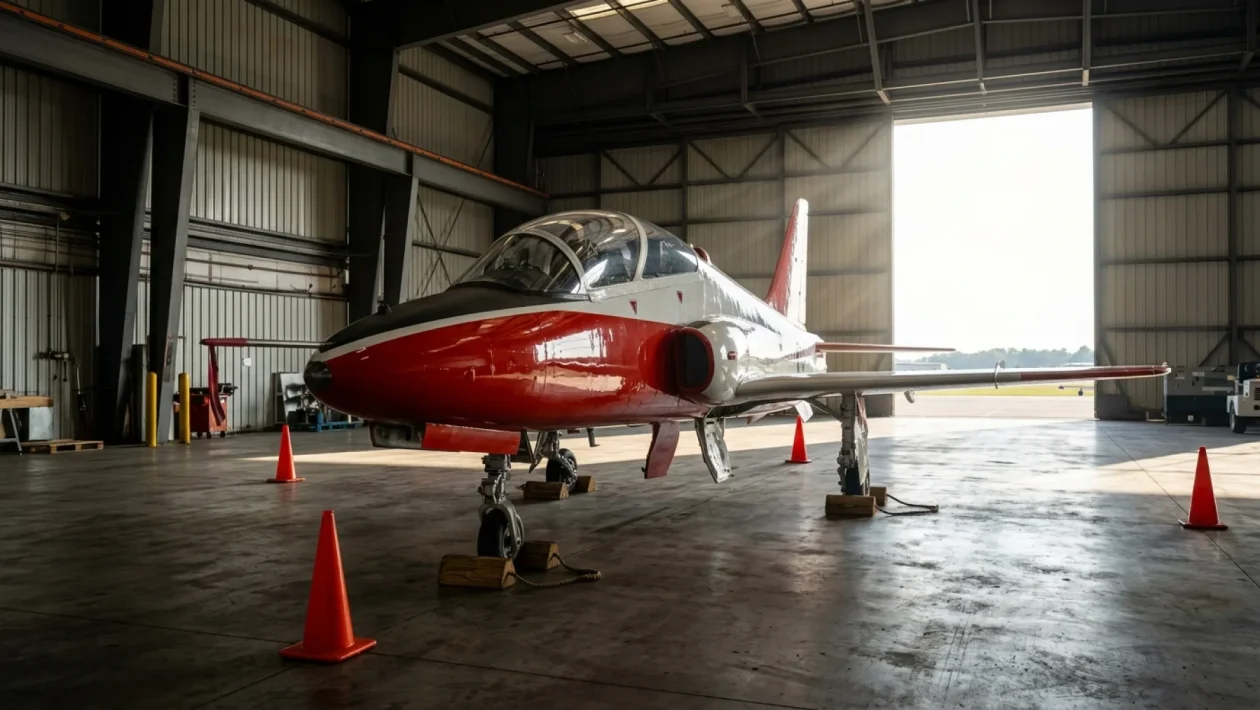
The iconic red and white jets are parked, and the hangars are eerily quiet. When the Department of National Defence issues an “operational pause,” it isn’t a gentle suggestion—it is an immediate, hard stop for the entire fleet.
If you have been wondering why Ottawa suddenly pulled the plug on Canada’s beloved air demonstration squadron this spring, you are not the only one. We are going to look under the hood to see exactly what triggers a fleet-wide grounding and how our aging military hardware is forcing some tough national conversations.
Snowbirds Grounding
The Snowbirds grounding is the kind of news that instantly sends ripples through the Canadian aviation community. The 306 public affairs panel recently tackled this head-on, noting the mounting pressure on the military to balance public entertainment with pilot safety.
We are talking about the CT-114 Tutor jets here. These are gorgeous, legendary machines, but let’s be brutally honest—they have been flying since the 1960s.
Here is a sobering fact for you: The Tutor airframes are over 60 years old, and they were originally scheduled to be retired from service over two decades ago. Keeping them in the sky requires nothing short of a wrench-turning miracle by our aviation technicians.
Why the Federal Government Pulled the Plug
Ottawa did not just wake up and decide to ruin the summer airshow circuit. When you are pushing vintage airframes through high-G maneuvers, mechanical tolerances are practically microscopic.
Even commercial giants like Air Canada and WestJet have recently been forced to slash flights and navigate brutal cancellations due to soaring jet fuel costs and complex maintenance logistics. If billion-dollar civilian airlines are feeling the operational squeeze, you can bet the military is feeling it twice as hard with legacy jets.
The federal government pulled the plug because a localized mechanical issue can quickly become a fleet-wide fatal flaw if left unchecked.
“When you are dealing with aging aircraft flying tighter formations than most people park their cars, an operational pause is your only insurance policy. The government isn’t cancelling fun; they are keeping pilots alive.”
This is precisely why defence town halls in places like Yellowknife and Inuvik have been packed to the brim recently. Everyday Canadians want to know what the defence budget is actually doing to keep our service members safe.
The Future of Military Aviation
So, where does Canadian military aviation go from here? The conversation is shifting rapidly from patch-up maintenance to full-blown modernization.
When an operational pause happens, the military follows an incredibly strict diagnostic protocol before those tires ever leave the tarmac again. Here is exactly how the Royal Canadian Air Force handles a fleet stand-down:
- The Initial Flag: A pilot reports an anomaly in the air, or a technician spots unexpected wear during a routine post-flight teardown.
- The Immediate Stand-Down: Ottawa issues a directive, and every single CT-114 Tutor is grounded instantly, no exceptions.
- Engineering Triage: Maintenance crews strip the affected systems down to the bare metal across the entire fleet to look for recurring patterns.
- Phased Return: Only when aerospace engineers sign off on a permanent fix does the commander authorize a return to flight operations.
We are entering an era where keeping vintage jets flying might cost more in the long run than buying new ones. Let’s break down the harsh reality of keeping legacy military hardware operational in 2026.
| Operational Factor | Impact on the RCAF Fleet |
|---|---|
| Airframe Fatigue | Requires highly specialized, frequent structural inspections that eat up man-hours. |
| Parts Scarcity | Custom machining is often required since the original supply chains no longer exist. |
| Fuel Efficiency | Older engines burn significantly more jet fuel, driving up operational costs in a volatile market. |
Frequently Asked Questions
Are the Snowbirds being permanently retired?
Not yet. While the grounding is a serious operational pause, the fleet is still expected to fly once the specific safety checks and mechanical fixes are completed. However, talks of finding a modern replacement jet are getting louder every single year.
How long does an operational pause usually last?
It depends entirely on what the technicians find under the hood. It could be a few days if it is a minor software or easily inspectable hardware issue, but it can drag on for months if a fleet-wide structural defect is discovered.
Why don’t they just buy new jets right now?
Procurement in Canada is notoriously slow and highly political. Selecting, purchasing, and training pilots on a brand-new air demonstration platform takes years of planning and billions of dollars in federal budget approval.
🤝 Good luck to the aviation technicians working around the clock in the hangars right now—they are the real unsung heroes keeping this proud Canadian tradition alive.
💡 It is easy to get frustrated when a local airshow gets cancelled, but understanding the gritty reality of aviation safety gives you a whole new respect for the ground crew.
📱 If you have ever stood on a runway and watched the Snowbirds fly over your hometown, you know exactly how special that roaring engine feels in your chest.
👇 Be sure to share your thoughts with us below, and let us know if you think it is finally time for Canada to upgrade to a brand-new fleet of jets!