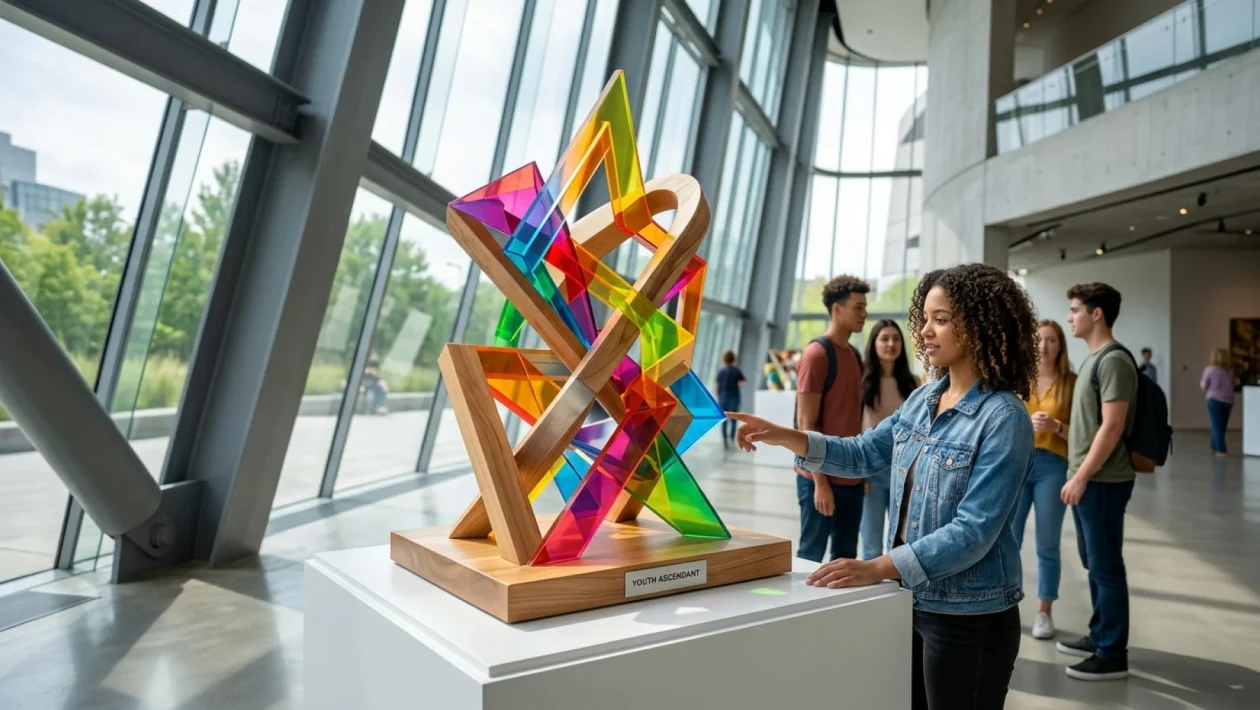
If you think today’s teenagers are completely checked out and permanently glued to their screens, take a walk through the Canadian Museum for Human Rights (CMHR) this May. You will quickly realize that the next generation of Manitoban youth is stepping up to tackle massive global issues head-on. Through the museum’s remarkably effective “Be an Upstander” initiative, local students aren’t just memorizing dates from a textbook—they are actively driving social change through deeply personal art, physical exhibits, and original music.
When you give young people a platform, they stop acting like passive observers and start building real-world solutions. Let’s break down exactly how this Winnipeg institution is reshaping the way kids engage with their communities, and why this model needs to be adopted nationwide.
The Canadian Museum for Human Rights: Ground Zero for Youth Empathy
The striking architecture of Winnipeg’s national museum isn’t just a backdrop for tourists. It has become a crucial proving ground for experiential learning. When students bring their class projects into these world-class galleries, the stakes instantly change.
They shift from turning in a paper for a simple letter grade to presenting genuine advocacy to the Canadian public. This public-facing accountability creates a profound sense of ownership over their work.
In fact, recent data surrounding project-based learning shows that students engaged in hands-on, public-facing advocacy projects report a 45% higher retention rate of core civic concepts compared to those subjected to traditional rote memorization. They aren’t just reading about human rights; they are physically building monuments to them.
Quietly Changing the Game: The “Be an Upstander” Model
The brilliant mechanism driving this shift in our education system is the Be an Upstander program. It fundamentally flips the script on how we teach history and ethics.
Instead of dwelling solely on historical tragedies and leaving kids feeling helpless, the program demands a forward-facing, creative solution from the youth themselves. It asks them a very simple but heavy question: What are you going to do about it?
“When a twelve-year-old realizes their voice can actually command attention in a national museum, the confidence they build is permanent. We aren’t just teaching history; we’re actively forging the civic leaders of tomorrow.”
The results speak for themselves. You can instantly see the difference in effort and execution when you compare standard classroom work to these specialized advocacy projects.
| Traditional School Assignment | Be an Upstander Project |
|---|---|
| Audience of one (the teacher). | Public audience (museum visitors). |
| Focuses on past events and dates. | Focuses on current issues and solutions. |
| Standardized format (essay/test). | Creative freedom (music, 3D art, digital). |
Redefining Student Activism Beyond the Classroom
Student activism used to mean simply holding a cardboard sign at a rally, but today’s youth are leveraging multimedia, modern coding, and creative arts to make their point. We are seeing everything from interactive exhibits on accessibility rights to powerful musical compositions honoring missing and murdered Indigenous women.
As a parent or educator, you don’t need a museum to instill this mindset in your own kids. You can start building this foundation at the kitchen table today.
Here is exactly how you can guide a young person to start thinking like an upstander:
- Identify the Local Spark: Ask them what bothers them most about their school or neighborhood. Activism starts with a localized grievance, whether that’s a lack of wheelchair ramps or bullying in the cafeteria.
- Audit the Facts: Have them spend two hours researching the root cause of the issue using credible Canadian sources like CBC News or local municipal reports.
- Choose a Creative Medium: Don’t force them to write an essay. Let them choose a medium they actually enjoy—like recording a podcast, painting a canvas, or shooting a short documentary on their smartphone.
- Create a Public Exhibition: Find an audience. Present the project to the school principal, a local community center board, or even a structured family gathering to simulate that real-world pressure.
Frequently Asked Questions
Who is eligible to participate in the Be an Upstander program?
The program is primarily designed for middle and high school students across Manitoba. Teachers actively register their classes to participate, weaving the museum’s framework directly into their seasonal curriculum.
Are the student exhibits displayed at the museum permanently?
No, the exhibits are usually showcased during dedicated events—typically in the spring—to celebrate the culmination of the students’ hard work. However, the impact on the students’ academic and personal growth lasts a lifetime.
Can students outside of Manitoba get involved?
While the physical showcase takes place in Winnipeg, the Canadian Museum for Human Rights offers excellent digital resources and toolkits online. Educators anywhere in North America can download these materials to run an Upstander initiative in their own local classrooms.
Building a Better Future, One Project at a Time
🤝 We need more programs like this. When we give young people the tools to express their concerns creatively, we are directly investing in a more empathetic, capable society. The kids are alright—they just need the right platform to prove it.
💡 Think about the young people in your own life. Are they being challenged to solve real problems, or are they just memorizing facts to pass a test? It might be time to challenge them to build their own impact project this weekend.
📱 Don’t keep this inspiration to yourself. If you believe in empowering the next generation of leaders, please share this guide on social media to spread the word.
👇 Send this to a teacher or parent who is always looking for new ways to inspire their kids, and let’s get more youth acting as upstanders in our local communities!