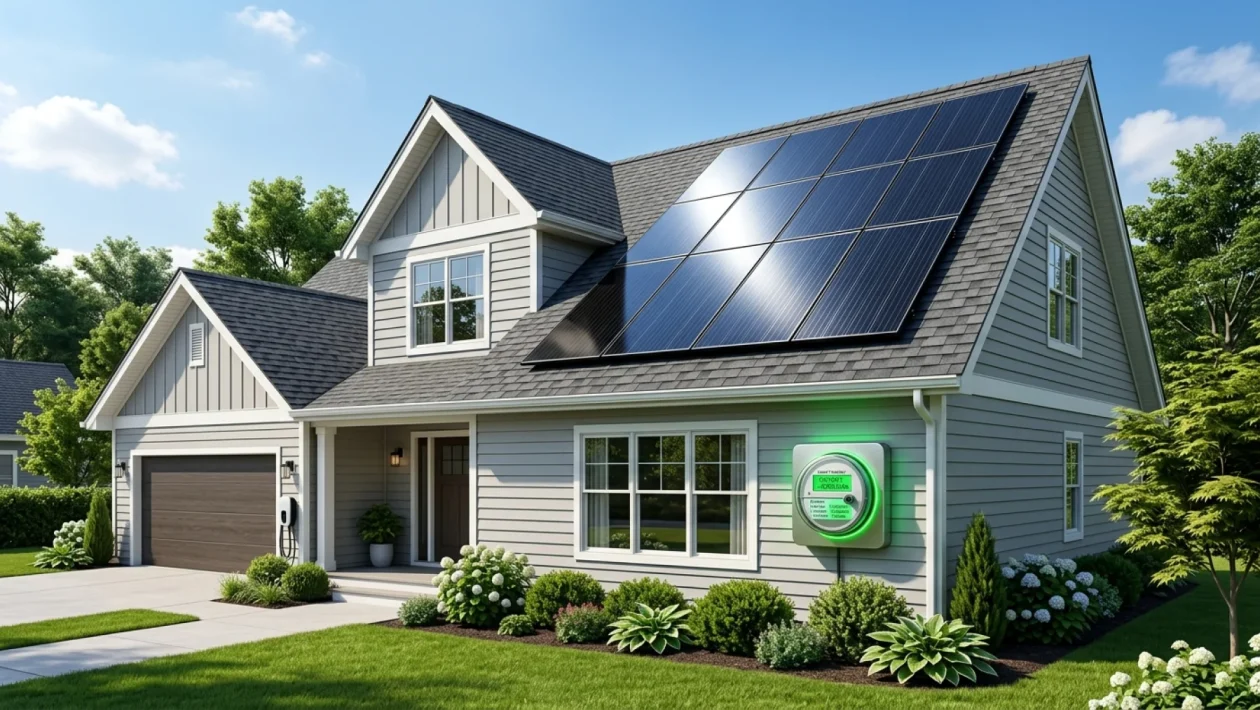
You are probably opening your utility bill right now and wincing at the total. The cost of keeping the lights on has skyrocketed across North America, but there is a massive, highly profitable flip side to this exact problem. Corporate renewable companies are posting record-smashing solar energy profits for the first quarter of 2026, and smart homeowners are quietly turning their roofs into personal ATM machines. We are going to look exactly at how you can stop bleeding cash to the utility monopolies and start capturing the same massive financial returns the big energy players are seeing.
Solar Energy Profits
The renewable energy sector is no longer just about saving trees; it is about minting serious cash. Global solar installation firms just reported their highest first-quarter margins in history this May.
Heavy hitters like Canadian Solar have been aggressively scaling up manufacturing simply because residential demand is through the roof. It turns out, producing your own power is the ultimate hedge against inflation.
The numbers do not lie. Residential solar grid tie-ins across North America have jumped a staggering 42% in the last two years alone. That is a massive shift of wealth from utility companies straight back into the pockets of everyday folks.
How Homeowners Are Cashing In
You do not need to be a Wall Street suit to ride this wave. If you own property, you are sitting on prime real estate for energy generation.
Net metering programs are effectively letting you sell excess juice right back to the grid. On bright summer days, your house isn’t just off the grid—it’s getting paid by it.
“The grid of the future is decentralized. Homeowners who install panels today are locking in energy rates that will look like an absolute steal by 2030,” says Dr. Mark Jenson, Lead Analyst at the North American Renewable Energy Institute.
Let’s break down the real-world financial impact of flipping the switch and taking control of your home’s power.
| Financial Metric | Average Homeowner Impact |
|---|---|
| Monthly Hydro Bill | Reduced by 70% to 100% |
| Property Value | Increases by roughly 4.1% |
| Tax Incentives | Up to 30% federal rebates available |
| Payback Period | Typically 6 to 8 years |
Navigating The 2026 Power Boom
So, how do you actually get a piece of this action? The hardware hitting the market in 2026 is sleeker, more efficient, and easier to install than ever before.
But you need a solid game plan before you start drilling into your shingles. Here is how you do it right.
- Audit your roof space: You need unshaded, preferably south-facing roof space. Grab a ladder, do a visual inspection, and clear out any overhanging branches.
- Lock in your local rebates: Federal and provincial/state incentives change rapidly. Search your local government energy portal and secure your grants before signing any contractor agreements.
- Select the right microinverters: Don’t cheap out here. Specify high-end hardware like Enphase microinverters so if one panel gets shaded by a cloud, the rest of your system keeps pumping out maximum power.
- Demand a production guarantee: Only work with installers who put a minimum power generation guarantee in writing. If the system underperforms, they pay the difference.
Frequently Asked Questions
Do I need heavy batteries to make a profit?
Not necessarily. If your local utility offers 1-to-1 net metering, the grid effectively acts as your battery. You bank credits during the day and spend them at night. However, batteries are great for backup power during outages.
How long does the hardware actually last?
Modern solar panels are built like tanks. Most top-tier panels come with a 25-year linear performance warranty, meaning they will still produce at least 85% of their original output two and a half decades from now.
Will panels damage my roof?
When installed by certified professionals, solar mounting systems actually protect the shingles directly beneath them from weather and UV damage. Just ensure your roof has at least 10 to 15 years of life left before installing.
🤝 Good luck trying to find an investment that pays off as consistently as the sun coming up every morning.
💡 The energy landscape is shifting incredibly fast, and the days of simply renting your power at premium rates are coming to a definitive end.
📱 Share your thoughts in the comments below—are you finally ready to turn your roof into a reliable revenue generator this year?
👇 Hit the share button and send this article to that buddy who is always complaining about their massive hydro bill!