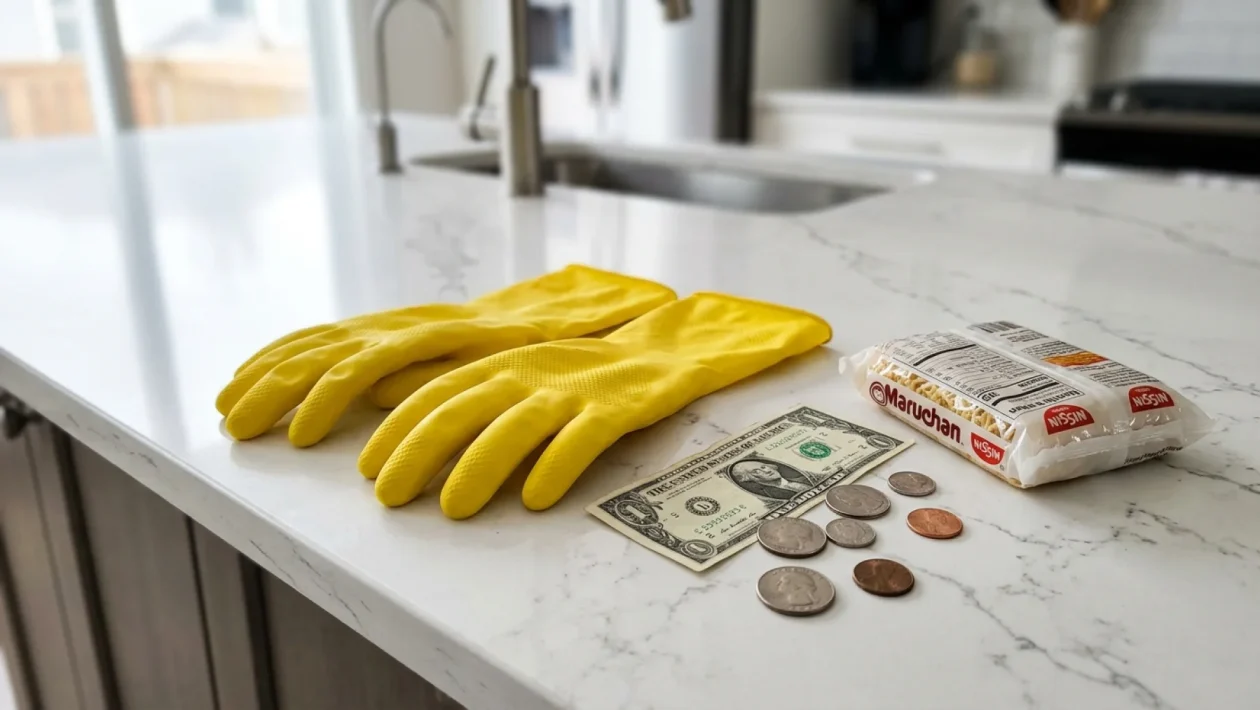
Imagine trying to survive on a monthly food budget that barely covers a daily coffee and donut at Tim Hortons. For hundreds of thousands of foreign domestic helpers, that’s not a dark thought experiment—it’s a harsh daily reality. A massive labor battle is currently brewing across the Pacific, serving as a stark reminder of the true cost of household help. We’re going to break down the hard numbers, why this union fight is making international waves, and what a proposed living wage actually looks like in 2026.
Domestic Worker Wages
We’ve all felt the pinch at the grocery checkout lately. If you think grabbing a few essentials at Loblaws is painful here in North America, try feeding yourself on a government-mandated food allowance of just over a thousand bucks in one of the most expensive cities on earth.
The core issue boils down to basic Domestic Worker Wages not keeping up with crushing global inflation. Workers are being squeezed to the breaking point.
When your paycheck loses its buying power month after month, you aren’t just tightening your belt. You are actively sacrificing your health.
Inside The Push
The Hong Kong Federation of Asian Domestic Workers Unions isn’t just asking nicely anymore; they are demanding action from the Labour Department. The push is fueled by decades of systemic financial neglect.
Here is a staggering hard fact: over the last 30 years, domestic helper wages in Hong Kong have been subjected to 10 separate wage freezes, alongside a brutal mandatory pay cut back in 2003.
You don’t need to be an economist to know that when the cost of living skyrockets and your wages stay frozen in amber, disaster is right around the corner. The union argues that the real wages of these workers have taken a massive, unsustainable nosedive.
A $6,670 Lifeline
The union is putting hard numbers on the table. They are urging the government to increase the minimum allowable wage from HK$5,100 to a much-needed HK$6,670. But the real shocker is the food allowance.
They want to more than double the monthly food budget from HK$1,236 to HK$2,770. To give you a clear picture of what is at stake, take a look at the union’s proposed financial lifeline:
| Financial Category | Current Rate (HKD) | Proposed Union Rate (HKD) |
|---|---|---|
| Minimum Monthly Wage | $5,100 | $6,670 |
| Monthly Food Allowance | $1,236 | $2,770 |
This isn’t about luxury; it’s about basic survival. A standard meal on the street now costs at least HK$40.
“A meal now costs at least HK$40 and some helpers survive on instant noodles and bread. Inadequate food and long working hours could increase the risk of illness.” – Phobsuk Gasing, Federation Chair
In Hong Kong
The summer of 2026 is proving to be relentless, and the working conditions in Hong Kong are reaching a boiling point. The union isn’t just stopping at money; they are demanding crucial amendments to the Standard Employment Contract.
They want clear regulations to protect workers from brutal heat and poor living conditions. Here is the step-by-step breakdown of the operational changes the union is demanding from employers:
- Mandatory Ventilation: Employers must provide sleeping quarters with proper airflow, including dedicated fans or air conditioning.
- Nutritional Support: Employers must ensure the food allowance genuinely covers three proper, nutritious meals a day, rather than just instant noodles.
- Heat Stress Protocols: The government must introduce strict heat stress guidelines to protect workers performing physical labor during extreme weather warnings.
It’s about basic human dignity. When someone is maintaining your home and caring for your family, providing them with a safe, cool place to sleep shouldn’t be up for debate.
Frequently Asked Questions
Why are wages so strictly controlled for these workers?
Foreign domestic workers generally operate under strict government-mandated standard employment contracts. These contracts set a “minimum allowable wage” to prevent a race to the bottom, but critics argue these floors are often set far too low to match the actual cost of living.
How does this compare to the domestic labor market in Canada?
In North America, domestic workers and caregivers are typically protected by provincial or state minimum wage laws, which are continuously adjusted for inflation. The Hong Kong system operates on a separate, specific tier for foreign workers, making their fight for proportional cost-of-living adjustments much harder.
🤝 It’s a global conversation. Whether you’re in Toronto, Vancouver, or Hong Kong, the underlying truth remains exactly the same: a fair day’s work deserves a fair day’s pay.
💡 These stories matter. Watching how international labor boards handle these minimum wage disputes gives us a direct window into the future of gig and contract worker rights right here at home.
📱 I want to hear from you. Do you think standard employment contracts do enough to protect vulnerable workers in today’s inflated economy?
👇 Drop a comment below and share your thoughts on how we can better support the unseen workers keeping our households running. Good luck out there, and stay cool!