Stop starving the birds in your backyard. Most folks pack up their feeders the second the snow melts, assuming nature suddenly has an endless buffet available. But right now, local birds are working overtime, burning massive calories to keep their newly hatched fledglings alive. Summer bird feeding isn’t just a casual hobby; it’s a critical lifeline for local wildlife. You don’t need expensive seed blends or fancy equipment to make a difference. The ultimate backyard rescue mission requires just two common items currently sitting on your kitchen counter.
Slicing Two Specific Fruits
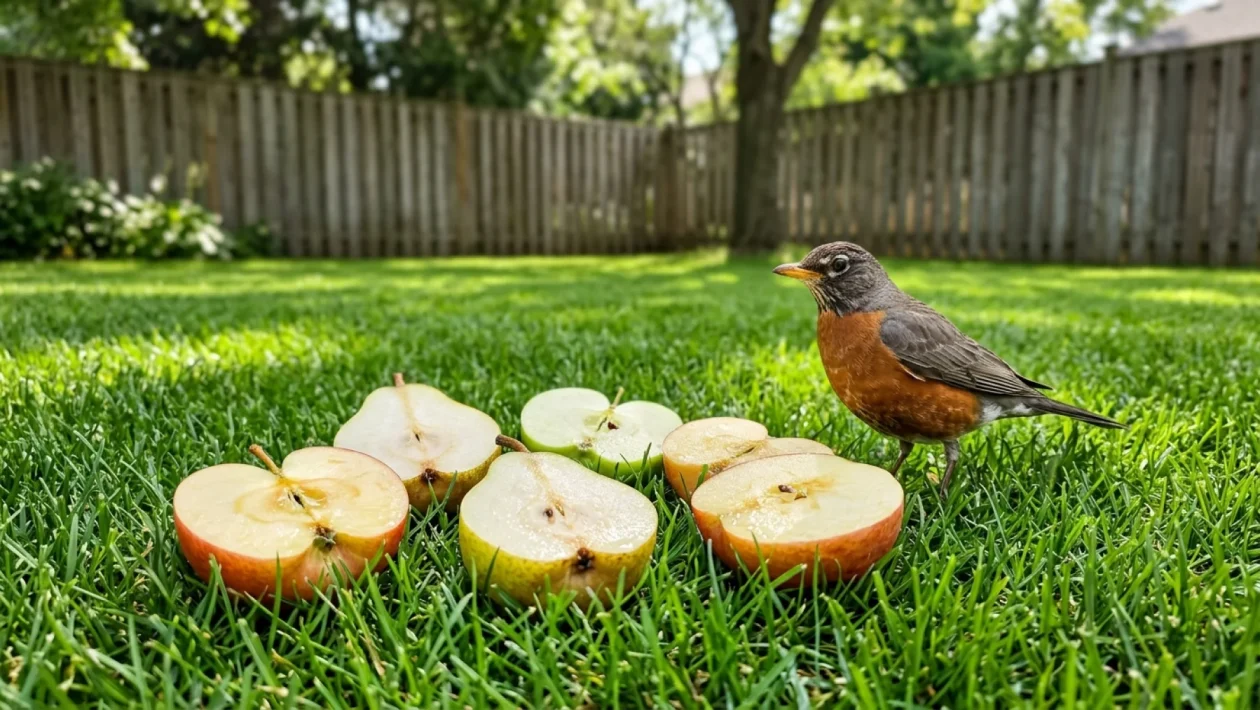
If you want a quick, incredibly cheap way to fuel wild birds, look no further than apples and pears. You don’t even need pristine, grocery-store-perfect produce. Those bruised, slightly mushy fruits you were about to chuck into the compost bin are exactly what thrushes, robins, and blackbirds crave.
Fruit provides a massive, instant spike of natural sugar and hydration. When adult birds are flying back and forth dozens of times an hour, they need easily digestible calories. I keep a trusty paring knife from Lee Valley Tools by my back door specifically for this daily ritual. It takes thirty seconds, costs next to nothing, and yields immediate results.
Here is my foolproof preparation method to maximize your backyard visits:
- Grab your bruised apples and pears from the fridge or fruit bowl.
- Slice them entirely in half to expose the soft, fleshy interior.
- Core out any large, hard seeds just to make it easier for smaller beaks to navigate.
- Scatter the halves flesh-side up directly on the grass.
Transform Your Lawn
Not all birds are acrobats willing to cling to a swinging plastic tube. Many of our favorite backyard visitors are strictly “ground feeders.” By utilizing your grass, you instantly transform your lawn into a highly accessible feeding station for birds that usually ignore hanging setups. Sparrows, dunnocks, and doves vastly prefer foraging on solid, flat ground.
There is a massive catch, though. You must place these fruit slices in a wide-open location. Birds will absolutely refuse to feed anywhere they feel vulnerable to predators. Keep the fruit far away from dense hedges, low bushes, or anywhere the neighborhood cat might be lurking.
| Feeding Strategy | Best Backyard Visitors |
|---|---|
| Ground Fruit (Lawn) | Blackbirds, Robins, Sparrows, Thrushes |
| Hanging Tube Feeders | Finches, Chickadees, Nuthatches |
Save Exhausted Fledglings This July
July is arguably the most demanding month of the year for avian parents. They are desperately trying to teach their fledglings how to forage while simultaneously keeping their own energy levels up. It’s a brutal, exhausting cycle.
Here is a surprising hard fact most folks don’t realize: bird populations are actually at their absolute highest in mid-summer. This creates an intense, localized competition for dwindling natural insect supplies. When you intervene with high-calorie fruits, you are actively leveling the playing field for these struggling families.
“Long-term studies have shown that offering food to garden birds year-round is beneficial, supporting declining species and helping busy parents top up all the natural food their young need.”
I recently watched a frantic robin at my place in Ontario bring a chunk of pear directly to a noisy fledgling hiding in my cedar tree. That visual alone is worth the price of a piece of fruit from Sobeys. You are giving these young birds the critical energy bridge they need as they learn to survive on their own.
Frequently Asked Questions
Can I leave out dried fruit instead of fresh fruit?
You can use certain dried fruits, but you must be incredibly careful if you own a dog. Vine fruits like raisins and sultanas are highly toxic to dogs and can cause acute kidney failure. If a dog has access to your yard, stick exclusively to fresh apples and pears.
Do I need to clean up the fruit scraps?
Yes. Never leave moldy or rotting food on your lawn. Not only does it attract unwanted pests like wasps and rodents, but it can also make the birds sick. Only put out what they can consume in a day or two, and sweep away the old debris.
Should I put the fruit on a bird table instead of the grass?
You can, but hygiene is critical. Flat, open bird tables must be scrubbed weekly with hot, soapy water or a mild disinfectant. Poorly maintained bird tables are currently being investigated by wildlife authorities for contributing to the spread of avian diseases.
🤝 Good luck out there in the yard this weekend. Taking just five minutes to slice up some aging fruit can completely change the ecosystem outside your window.
💡 Remember, consistency is key. Once the local birds realize your lawn is a reliable, safe pit stop, your property will become the most popular hangout in the neighborhood.
📱 I’d love to see what kind of wild visitors you attract. Snap a photo of your feeding station and share your thoughts with me online.
👇 Drop a comment below if you have a favorite local bird that visits your yard, and don’t forget to clean your gear this Sunday!