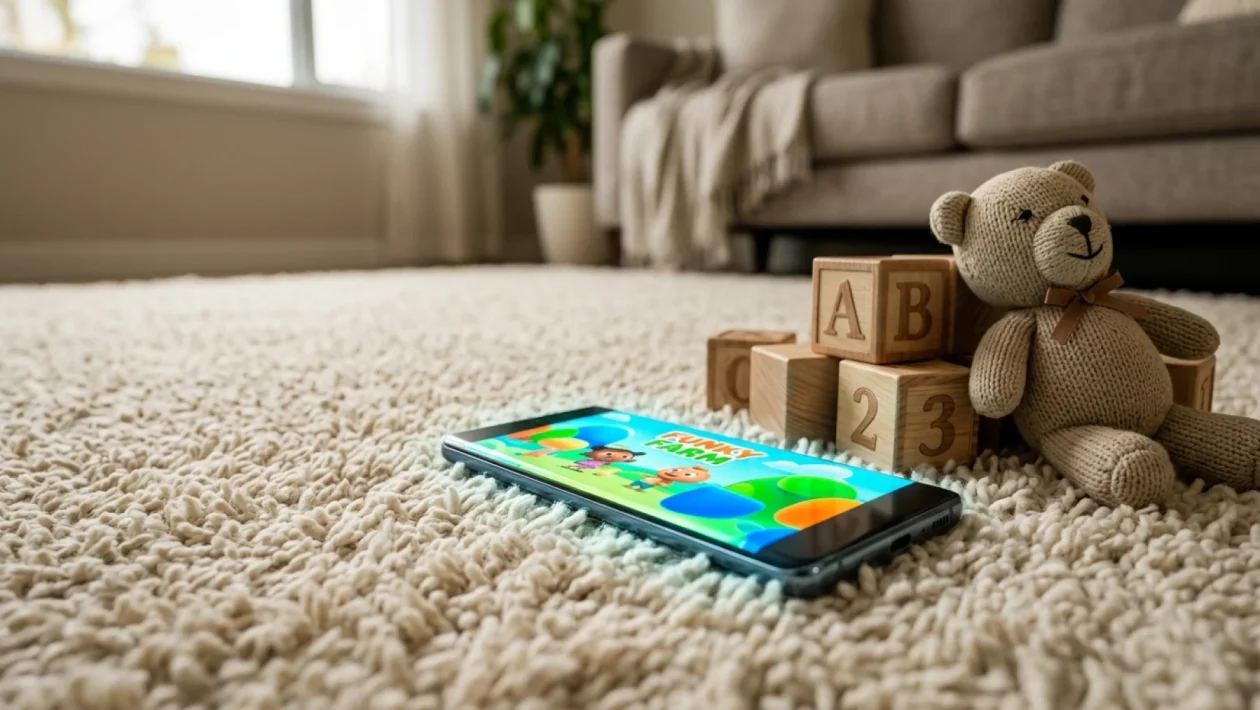
We’ve all been there. You’re standing in an endless line at Shoppers Drug Mart, or maybe you’re trying to enjoy a quiet coffee, and your two-year-old decides to go absolutely nuclear. Your stress levels spike, and the quickest exit strategy is sitting right in your pocket. You slide the glowing smartphone across the table, load up a colorful cartoon, and instantly… sweet silence.
But that momentary peace comes at a massive hidden cost. We are casually trading a few minutes of quiet for our kids’ long-term mental wiring. Toddler screen time isn’t just a harmless modern distraction; it is actively short-circuiting the most critical years of human brain development. Let’s break down exactly what that digital babysitter is doing to your child and how you can break the cycle before the real damage is done.
Toddler Screen Time: Falling Into The “Digital Pacifier” Trap
Parenting in July 2026 is downright exhausting, and it is perfectly normal to look for a lifeline. Modern parents are facing unprecedented daily stress, leading many to use tablets and phones as a simple household survival strategy. It feels like an innocent little hack just to get through a busy afternoon.
However, the reality of this habit is deeply alarming once you look at the hard data. A recent massive analysis of global pediatric studies revealed a gut-wrenching statistic: over 70 percent of babies and toddlers are now regularly parked in front of screens. Some of these tiny humans are racking up a staggering eight hours of digital consumption a day.
Even worse, the exact same study showed that one in ten babies is literally falling asleep to a glowing screen on a regular basis. We are essentially plugging our kids into the matrix before they even know how to tie their own shoes.
How Digital Pacifiers Harm Brain Development
Here is the brutal truth about early childhood: the human brain does most of its heavy lifting in the very first three years of life. Handing a toddler a phone acts as a massive roadblock to that natural, vital growth. When a kid is staring blankly at a screen, they aren’t interacting, they aren’t exploring, and they certainly aren’t learning how to regulate their own emotions.
Higher screen times in children under two are directly linked to a terrifying cocktail of developmental roadblocks. We are talking about increased risks for childhood obesity, severe sleep disruptions, delayed speech, and a highly concerning loss of basic empathy. When screens are used to constantly soothe a child, that kid never learns how to self-soothe in the real world.
“We cannot let our most vulnerable sail unprotected into the digital world. Toddlers don’t need screens; they need real life, sensory impressions, and human connection—that is the true engine for neural growth.”
4 Ways to Unplug Fast And Reclaim Your Kid’s Attention
It is time to take the power back in your household. Breaking the digital pacifier habit isn’t going to be easy, but the long-term payoff for your child’s brain is priceless. Here is exactly how you can pivot away from the glowing rectangles and get your kid back on track.
- Model the behavior: You can’t expect your kid to ignore screens if you are constantly scrolling social media at the dinner table. Put your own phone away; they are absorbing your every move.
- Embrace the boredom: Kids actually need to feel bored to spark their natural creativity. Next time you’re in a waiting room, let them look around, fidget, and observe the real world instead of instantly numbing them with a video.
- Swap screens for sensory play: Keep a small physical toy, a tactile book, or even a simple set of keys handy in your pocket. Real-world objects force their brains to process textures, weight, and cause-and-effect.
- Enforce a strict pre-bedtime detox: The harsh blue light from screens absolutely destroys infant sleep quality. Ban all devices at least two hours before bedtime to ensure their developing brains get the deep, restorative rest they desperately need.
To make this transition a little easier to visualize, let’s look at a quick breakdown of what you are actually trading when you swap a screen for physical engagement.
| The “Digital Pacifier” (Screens) | The “Real World” (Physical Play) |
|---|---|
| Creates passive, zombie-like staring and stunts creativity. | Builds active, hands-on, creative problem-solving skills. |
| Hinders natural speech, focus, and empathy development. | Encourages vocalization, curiosity, and human connection. |
| Leads to poor emotional self-regulation and intense tantrums. | Teaches vital patience and healthy emotional coping mechanisms. |
Frequently Asked Questions
Does video chatting with grandparents count as harmful screen time?
Not really! Pediatric experts generally agree that interactive video chatting is the one major exception to the rule. Because it involves real-time human interaction and conversational back-and-forth, it actually helps build social connections rather than numbing the brain.
What if I only play “educational” videos for my toddler?
Under the age of two, a screen is just a screen. A toddler’s brain simply cannot translate what happens on a flat, two-dimensional screen into real-world knowledge. They learn infinitely more from banging two wooden blocks together on the living room floor than from the most expensive educational app on the market.
How do I survive public tantrums without handing over my phone?
Preparation is your absolute best friend. Pack a “survival bag” with high-value, tactile toys that only ever come out during public emergencies. If a meltdown happens, validate their feelings, stay calm, and remember that a crying kid in public is just a normal part of parenting—not a crisis that requires a digital bandage.
🤝 Good luck out there, parents—taking the hard road right now will pay massive dividends for your child’s mental future.
💡 It might be a little rough for the first few days of detox, but you will be amazed at how quickly your kid rediscovers their natural curiosity.
📱 Put the phone in your pocket, step outside into this beautiful summer weather, and let them explore the world with their own two hands.
👇 I’d love to hear how you handle tech boundaries in your home, so please share your thoughts below!