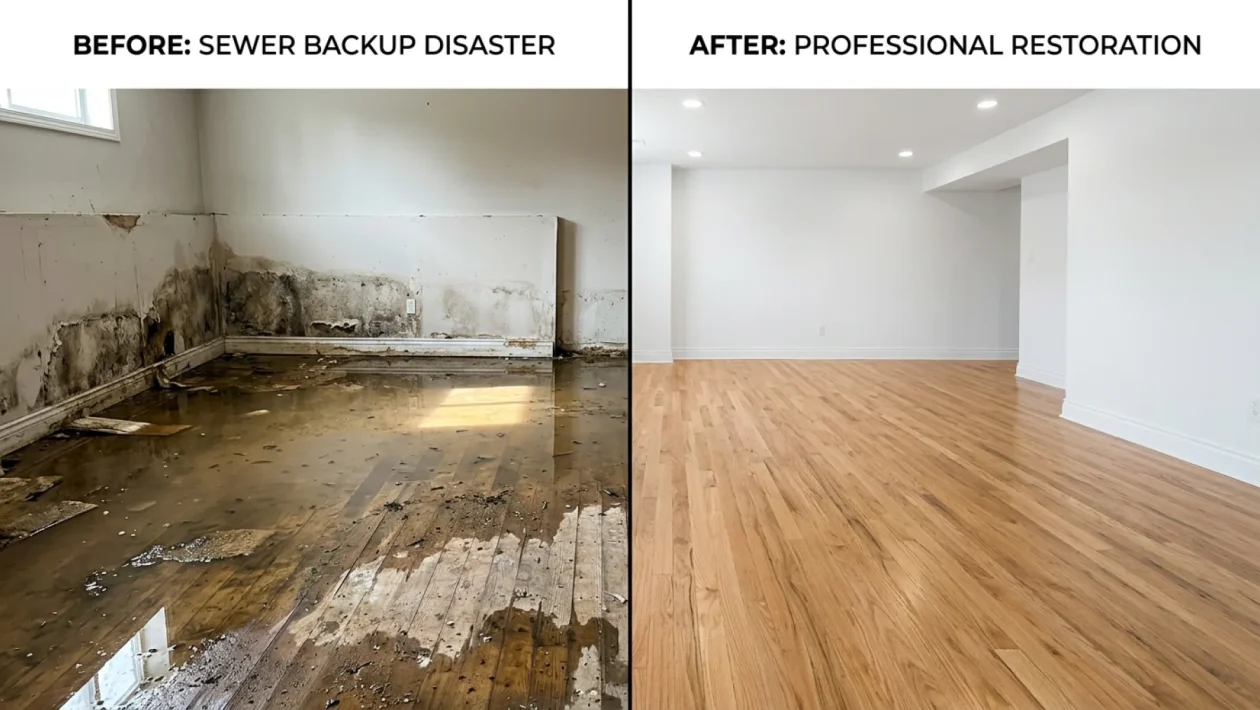
Imagine walking into your property to find raw sewage pooling across the floors, destroying expensive equipment and making the entire building smell like a nightmare. You file the claim, expecting your insurance provider to step up, but instead, you are met with dead silence and stalling tactics. This is exactly the brutal reality the City of Winnipeg is facing right now over a massive $1.85-million disaster at the Dakota Community Centre. If you own property in Canada, you need to understand exactly how to navigate these muddy waters before the next pipe bursts on your watch.
Sewer Backup Claims: A Costly Nightmare
Sewer backups are undeniably one of the most destructive forces a property owner can face. Back in March 2024, the Dakota Community Centre in Winnipeg suffered massive flooding in its basement gym, storage facility, and crawlspace. Fast forward to May 2026, and a youth sports area remains entirely unusable because the funds to fix it are locked in legal limbo.
The city did everything right by filing a formal proof of loss under their contract. Yet, not a single dime has been paid out by the ten corporate defendants named in the recent lawsuit. This leaves property owners footing a massive, unexpected bill just to keep the doors open.
To put this into perspective, here is a quick breakdown of what a severe commercial backup can actually cost a property owner while waiting for an insurance check:
| Damage Category | Estimated Cost |
|---|---|
| Initial Public Area Clean-up | $250,000 |
| Remaining Crawlspace Remediation | $1,600,000 |
Why Insurers Delay Payouts
If you think your premium guarantees a fast check, think again. The hard truth is that Sewer Backup Claims are notoriously expensive, and underwriters will scrutinize every single clause before opening their wallets. Whether you are dealing with large Canadian providers like Intact Insurance or regional mutuals, commercial policies are often split among multiple corporations to share the risk.
Here is a staggering fact: According to the Insurance Bureau of Canada, water damage now accounts for over 50% of all property insurance claims nationwide, dwarfing fire and theft. Because these claims cost the industry billions annually, their initial reflex is often to stall, deny, or aggressively investigate the root cause.
When multiple insurers share a single policy, it creates a bureaucratic logjam. If even one company disputes the proof of loss, the entire payment process grinds to a halt.
“Insurance contracts for large municipal facilities are a complex web of shared liability. When one underwriter balks at a proof of loss document, the entire settlement can freeze, forcing the policyholder into a prolonged legal standoff.”
How To Force Their Hand
You do not have to sit back and let giant corporations bully you into bankruptcy. When your insurance provider breaches their contract by ignoring your proof of loss, you must take immediate, calculated action. Here is the exact playbook to get your claim moving:
- Mitigate and Document: Stop the immediate damage to prevent the insurer from claiming you let the problem worsen. Take hundreds of photos and videos of the raw sewage damage before any cleanup crew touches the site.
- Submit a Bulletproof Proof of Loss: Do not just send an email. File a formal, legally binding proof of loss document with exact financial estimates from certified remediation contractors.
- Hire Independent Experts: Bring in your own structural engineers and independent adjusters to verify the exact cause of the backup. You need objective proof that the event falls squarely under your coverage parameters.
- Take Legal Action: If they ignore your proof of loss, follow Winnipeg’s lead. File a Statement of Claim in the Court of King’s Bench to legally force them to honor the contract or face a judge.
Frequently Asked Questions
Does standard commercial property insurance cover sewer backups?
Not always. Sewer backup is typically an optional endorsement that must be specifically added to your policy. Always review your exact wording, as standard water damage usually only covers burst indoor pipes, not city sewer lines pushing waste backward into your property.
What is a ‘Proof of Loss’ document?
It is a formal, sworn statement made by the policyholder to the insurance company regarding the extent of the property damage. It provides the legal foundation for your payout demand and starts the official clock for the insurer to respond.
Can I use my property while a lawsuit is pending?
Yes, but with limitations. As seen with the Dakota Community Centre, you can safely operate the unaffected parts of the building. However, heavily damaged areas like raw sewage crawlspaces must remain sealed off until proper remediation is funded and completed.
🤝 Good luck navigating your next property crisis. Dealing with major insurance conglomerates is never a walk in the park, but knowing your rights makes all the difference.
💡 Do not back down when you know you are covered. Sometimes, filing a formal lawsuit is the only language these massive corporate underwriters actually understand.
📱 I would love to hear how you handle property headaches in your own community. Please share your thoughts and experiences with us on social media!
👇 Keep your properties dry, your policies updated, and your legal options open, my friends.