In 1990, when Brenda Fricker walked onto the Dorothy Chandler Pavilion stage to accept her Academy Award, she didn’t look like a manufactured Hollywood starlet. She looked like a woman who had just stepped off the streets of Dublin, armed with raw, undeniable talent and a complete allergy to nonsense.
Now, in the heat of July 2026, the entertainment industry is pausing to mourn the loss of the 81-year-old Irish powerhouse. While millions globally know her as the enigmatic Pigeon Lady from Home Alone 2: Lost in New York, her peers recognize her as the fierce, beating heart of independent cinema who anchored films like My Left Foot and The Field. 🎬
How Hollywood is Remembering the ‘My Left Foot’ Star
The tributes pouring into Los Angeles and Dublin this week share a common theme: reverence for a woman who treated acting as a craft, not a celebrity ticket. Studio executives and former co-stars are filling social feeds with stories of her sharp wit and absolute refusal to play the Hollywood game. She famously avoided flashy premieres, preferring a quiet life in the Liberties area of Dublin.
“She was the only actor I ever met who genuinely didn’t care about being famous. You’d offer her a massive blockbuster, and she’d turn it down because the script lacked soul, or simply because she had a dog to walk back home.”
To understand the massive void she leaves behind, you only need to look at the specific ways the industry is honoring her memory:
- Quiet Grants: Major studios are eschewing loud press releases in favor of quietly funding local Irish theater programs in her name.
- Director Memories: Filmmakers are sharing behind-the-scenes clips of her improvising lines, proving her natural instincts were sharper than most written scripts.
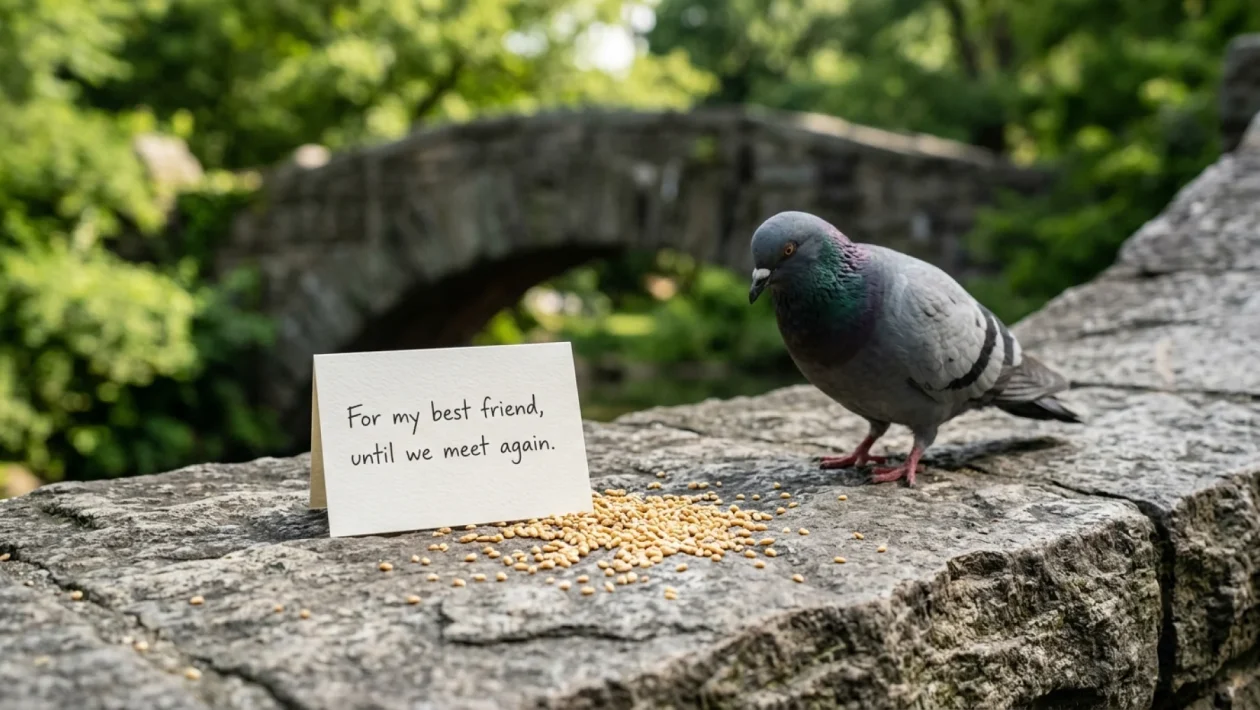
- Fan Vigils: Admirers are leaving birdseed and handwritten notes at the Gapstow Bridge in Central Park, a quiet nod to her most culturally enduring cinematic moment. 🕊️
Fricker’s passing forces a mirror onto an industry obsessed with self-promotion. We spend so much time manufacturing icons who demand our constant attention, but will any of them leave a legacy as enduring as the woman who simply did the work and went home?