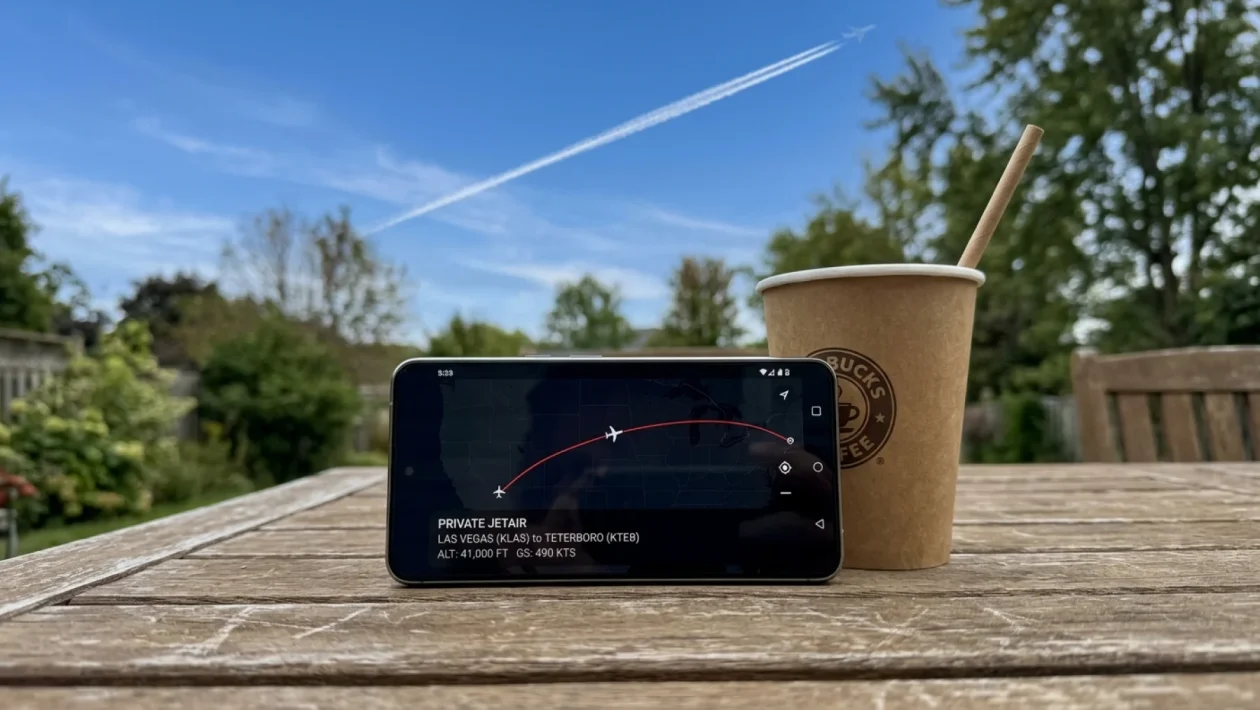
You meticulously sort your recycling, install smart thermostats, and even bike to Canadian Tire to pick up your weekend project supplies. But while you agonize over using paper straws, a single 12-minute private flight from Calabasas to Palm Springs just blew out your family’s entire annual carbon budget. Welcome to the frustrating reality of ultra-wealthy travel.
The internet isn’t letting this slide anymore. Enter the Kardashian jet tracker, a digital watchdog that turns public aviation data into a giant magnifying glass on celebrity emissions. We are going to rip the lid off how these automated systems work and why they are changing the conversation around climate responsibility.
The Kardashian Jet Tracker Decoded
Look, I appreciate a well-engineered machine as much as the next guy. A custom-outfitted Bombardier Global 7500 is an absolute marvel of modern aviation. But when these multi-million dollar jets are used for cross-town hops, the math simply doesn’t justify the mechanics.
The Kardashian jet tracker is essentially a series of automated social media bots and websites. They scrape legally available, unencrypted aviation signals to pinpoint exactly where these high-profile families are flying. As we sweat through the historic heatwaves of July 2026, this tool has transformed from a niche internet curiosity into a powerful mechanism for climate accountability.
It completely strips away the PR spin. You can’t claim to be an eco-warrior when an automated script broadcasts that your private jet just burned 400 gallons of jet fuel to avoid a 45-minute drive on the freeway.
Reading Private Flight Logs Like A Pro
You don’t need a degree in aerospace engineering to understand how this data gets intercepted. It relies on a mandatory technology called ADS-B (Automatic Dependent Surveillance-Broadcast). Think of ADS-B like the VIN on your Ford F-150, but instead of just sitting on the dashboard, it constantly shouts its location to anyone willing to listen.
Here is exactly how everyday citizens are reading these flight logs:
- The private jet’s transponder pings its altitude, speed, and GPS location unencrypted into the open air.
- A global network of aviation geeks with cheap, ground-based radio receivers pick up this signal.
- The receivers feed the raw data into massive open-source databases like ADS-B Exchange.
- Programmers write simple scripts that filter this database for the specific tail numbers owned by the Kardashian family.
- The script automatically posts the flight path, fuel burn, and flight duration to public forums and social media.
It is beautifully simple, highly effective, and entirely legal. The data belongs to the public airways, making it impossible for high-profile flyers to hide their joyrides.
Measuring Billionaire Emissions In Real Time
This is where the rubber meets the runway. The real power of tracking these logs isn’t about celebrity gossip; it’s about exposing the sheer scale of the environmental impact. The numbers are staggering when you lay them out on the workbench.
Here is a hard fact that should make anyone pause: A single private jet can emit up to two metric tons of carbon dioxide in just one hour. That is significantly more than the average global citizen emits in an entire year.
| Travel Method (1 Hour) | Estimated CO2 Emissions |
|---|---|
| Commercial Flight (Per Passenger) | 90 kg |
| Private Jet (Overall) | 2,000 kg |
When you measure these billionaire emissions in real time, the disparity becomes impossible to ignore. Tracking these logs puts a precise, undeniable number on carbon footprints that were previously hidden behind NDAs and private hangar doors.
“Flight tracking isn’t about invading personal privacy; it is a necessary tool for holding the top one percent accountable for consuming half of our atmospheric carbon budget,” says Dr. Aris Vlahos, an independent aviation data analyst.
Frequently Asked Questions
Is it legal to track private jets?
Yes, absolutely. The ADS-B signals broadcast by aircraft are unencrypted and mandated by federal aviation authorities for safety purposes. Collecting and publishing this public radio data is completely legal under current communications laws.
Can billionaires block their flight data?
They certainly try. There are privacy programs like the FAA’s PIA program that allow owners to use temporary, randomized aircraft addresses. However, crowdsourced networks usually identify the new transponder codes within days by cross-referencing departure locations and visual sightings.
Why are only celebrity jets targeted?
They aren’t! While the Kardashian trackers get the most media attention, there are thousands of trackers monitoring politicians, corporate executives, and foreign oligarchs. Celebrities just happen to generate the most public engagement, making them highly effective poster children for the emissions debate.
🤝 Good luck ignoring the skies now that you know exactly how the open-source aviation system works.
💡 The next time you see a sleek jet streaking overhead this summer, remember that their flight data—and their carbon footprint—is right at your fingertips.
📱 If you found this breakdown on flight logs helpful, share your thoughts online and keep the conversation around climate accountability going.
👇 Stay sharp, stay informed, and I’ll see you on the next project.