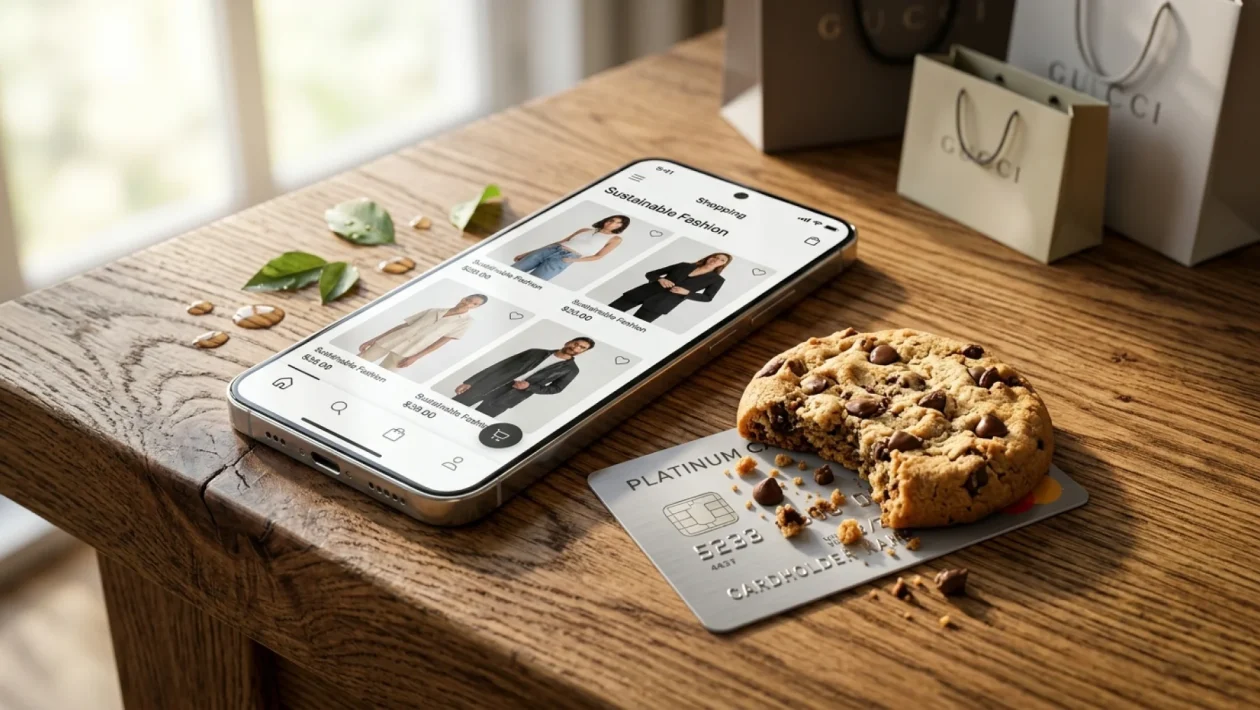
If you downloaded a fashion app expecting sustainable style tips, you probably didn’t sign up to be a pawn in a multimillion-dollar affiliate scheme. Yet, that is exactly the reality millions of users are waking up to with the Phia cookie stuffing controversy. The high-profile sustainable fashion platform, co-founded by Phoebe Gates, is currently drowning in allegations of secretly hijacking user browsers to siphon commission payouts. This isn’t just a minor tech glitch; it is a masterclass in digital deception. I’ve spent years digging into tech scams, and I’m going to break down exactly how this digital pickpocketing works and why it matters to your wallet.
Phia Cookie Stuffing: Unpacking the Scandal
When Phia launched, it promised to revolutionize how we buy sustainable fashion. Instead, cybersecurity watchdogs discovered the app was allegedly engaging in a shadowy marketing tactic known as cookie stuffing.
Here is the dirty secret of the affiliate marketing world. When you click a legitimate promotional link for a brand like Lululemon or Aritzia, a tracking cookie is placed in your browser. If you buy something, the referrer gets a cut of the profits for sending you there.
But the Phia app is accused of aggressively forcing thousands of invisible cookies onto users’ devices the second they opened the platform. If you later bought yoga pants straight from a retailer’s site, Phia’s hidden cookie falsely claimed credit for the sale. The financial damage is staggering. Industry data reveals that affiliate fraud cost North American retailers a massive $3.4 billion last year alone.
The Silent Affiliate Fraud: How the Scam Operates
As a tech journalist, I like to compare cookie stuffing to a shady contractor slipping his business card into your neighbor’s mailbox, then demanding a finder’s fee when you actually hire them. You never saw the transaction, but someone else is getting paid for your organic choice.
The genius—and the danger—of this fraud is its total invisibility. Your phone doesn’t slow down, and your bank account isn’t directly hacked. You just become an unwitting mule for generating false affiliate commissions.
Here is exactly how the Phia cookie stuffing mechanism operated behind the scenes:
- The user installs the app and opens the main dashboard to browse eco-friendly clothing brands.
- Hidden background scripts instantly execute an invisible web frame within the app interface.
- This frame drops hundreds of affiliate tracking cookies into the user’s mobile browser cache without requiring a single click.
- When the user eventually shops at those retail sites, the system falsely registers the sale as a referral from Phia, generating an unearned commission payout.
Rocking Phoebe Gates’ Fashion App: The Fallout
It is one thing when a nameless shell company runs an affiliate scam. It is an entirely different beast when the app is backed by tech royalty. Phoebe Gates positioned Phia as the ethical future of Gen Z retail. Now, that reputation is taking a massive hit.
“Trust in digital retail is fragile. When an app built on the promise of ethical consumerism gets caught stuffing cookies, it doesn’t just burn the retailers paying bogus commissions—it completely alienates the user base.” — Dr. Sarah Jenkins, Lead Cybersecurity Analyst at TechWatch NA.
The fallout is already shifting how app developers and retailers handle affiliate partnerships. Let’s look at the immediate damage this scandal has caused across the board:
| Impact Area | The Reality in Summer 2026 |
|---|---|
| Retailer Trust | Major brands are freezing affiliate payouts and aggressively auditing past app referrals. |
| User Privacy | Thousands are uninstalling the app to clear out unauthorized mobile tracking cookies. |
Frequently Asked Questions
What exactly is cookie stuffing?
It is an illegal affiliate marketing tactic where a website or app drops multiple tracking cookies onto a user’s device without their knowledge. The goal is to falsely claim credit and earn commissions for online purchases the user makes later.
Did Phoebe Gates know about the fraud?
Right now, it remains unclear who ordered the aggressive tracking scripts. Investigations are ongoing to determine if this was a deliberate executive strategy or a rogue growth-hacking tactic implemented by third-party developers working on the platform.
How can I protect my phone from this?
The easiest fix is to regularly clear your mobile browser’s cache and cookie data. Furthermore, you should routinely review your app permissions and restrict background data usage for retail and lifestyle apps you don’t actively use.
The Bottom Line
🤝 Here is the hard truth: the digital world is full of invisible trapdoors. While the Phia cookie stuffing scandal is dominating headlines right now, it is certainly not the only app trying to game the system.
💡 Stay vigilant about what you install on your phone. Even apps wrapped in the most ethical, eco-friendly marketing can harbor shady code under the hood.
📱 Take two minutes today to dive into your smartphone settings and clear out your web data. A clean mobile browser is your absolute best defense against silent affiliate scams.
👇 Share your thoughts in the comments below—have you noticed weird tracking behaviors on your phone lately? Let’s keep the conversation going!