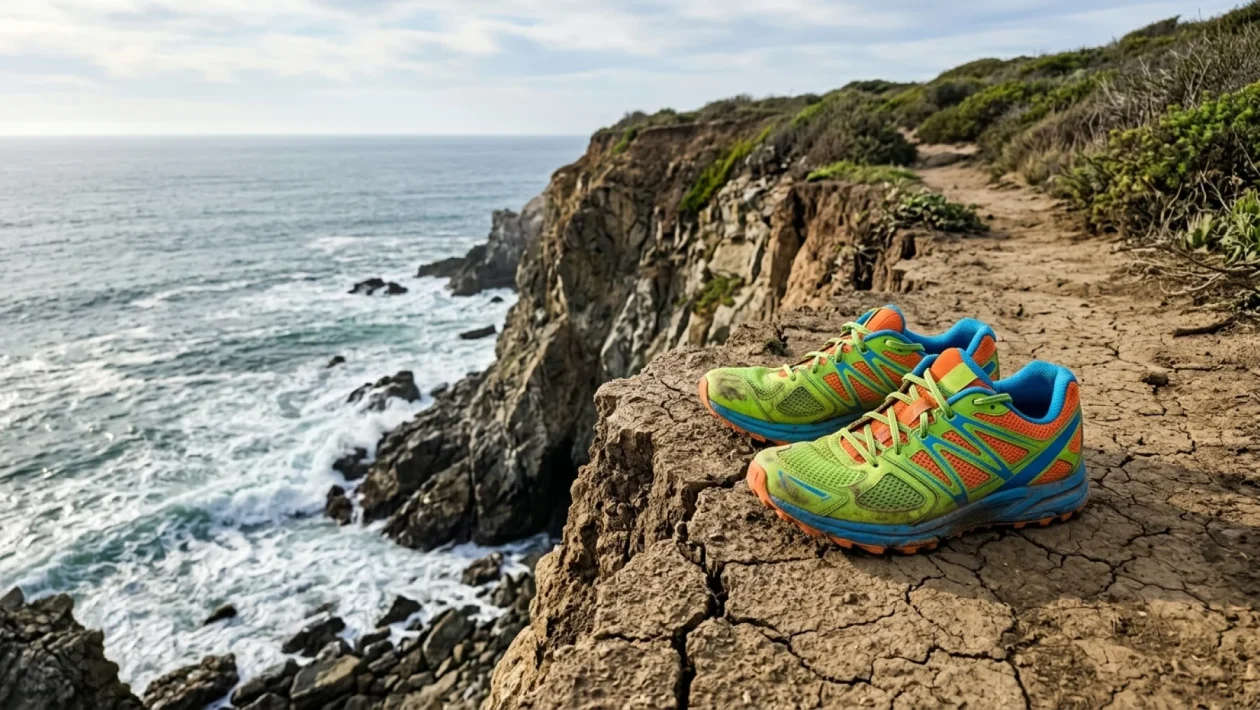
A star university cross-country runner vanishes on a routine coastal trail run. Forty-eight hours later, communities reel as the devastating headline drops: another missing student athlete found dead along the coast. It is a massive gut punch that leaves everyone asking how someone in absolute peak physical shape could succumb to a local shoreline.
The harsh, unspoken truth of the outdoors is that Mother Nature does not care about your personal best mile time. Elite stamina often breeds a false sense of invincibility, pushing fit individuals deeper into treacherous coastal zones where sheer athleticism cannot save them. We are going to break down exactly why these rugged shorelines are highly deceptive traps and the non-negotiable survival tactics you need to make it home alive.
The Missing Student Athlete Epidemic: Why Peak Fitness is a Liability
When you are young, fit, and fueled by adrenaline, a rocky coastline looks like a giant playground. You trust your footwork and your cardio.
However, this overconfidence is precisely why tragedies strike. According to Canada’s Search and Rescue Volunteer Association, a staggering 35% of fatal coastal incidents involve individuals classified as having “high to elite” fitness levels. They run further out, bypass warning signs, and test the limits of unstable terrain.
The summer of 2026 has been particularly brutal for coastal trail runners. The extreme July heat has dried out coastal topsoil, making high-cliff trails incredibly prone to sudden collapse. A fit athlete running at a six-minute mile pace simply cannot react fast enough when the ground vanishes beneath their trail shoes.
Rugged Shoreline Realities: The Hidden Dangers of Coastal Running
The coast is a dynamic, highly unpredictable environment. You aren’t just dealing with elevation changes; you are battling tide fluctuations, rogue waves, and rapid weather shifts.
I have spent decades hiking and reporting on the Pacific Rim and the Atlantic coasts. The most common killer is not a wild animal attack; it is basic environmental ignorance. You might have the lung capacity of an Olympian, but if a sneaker wave hits the tidal shelf you are running on, you are going into the freezing water.
| Coastal Danger | Survival Mitigation Tactic |
|---|---|
| Sneaker Waves | Never turn your back to the ocean; run on higher ground during incoming tides. |
| Crumbling Bluffs | Stay at least six feet back from cliff edges, especially in dry summer months. |
| Micro-climates | Always pack a windproof layer, even if it is sunny at the trailhead. |
The Essential Survival Protocol: How to Come Back Alive
Preventing the next missing student athlete tragedy comes down to preparation, not just perspiration. Handyman-level practical thinking beats blind athleticism every single time.
You need to treat a quick coastal run like a backcountry expedition. If you twist an ankle in a dead zone, your Vo2 max will not keep you warm as the fog rolls in.
“Fitness breeds a fatal false sense of security; it gets you deeper into the wilderness faster, but it absolutely does not give you the coastal literacy needed to read a sneaker wave or a failing limestone bluff.”
Here is the exact protocol you need to implement before lacing up your shoes for a coastal route:
- Leave a precise flight plan: Text a friend your exact route, trailhead, and strict turnaround time. If you aren’t back by that minute, they make the call.
- Carry satellite backup: Cell service dies instantly behind coastal sea stacks. Clip a Garmin inReach Mini to your running vest to ensure you always have an SOS button.
- Pack micro-survival gear: A space blanket, a high-decibel whistle, and an ultralight Arc’teryx wind shell weigh next to nothing but will save your life during an overnight exposure scenario.
- Read the tide charts: Never run a beach or lower shelf without confirming the tide is actively going out.
Frequently Asked Questions
Why do athletes get lost so easily on coastal trails?
Athletes often move at a very high pace, which causes them to miss subtle trail markers and natural warning signs. When coastal fog rolls in, visibility can drop to zero in minutes, completely disorienting even the most experienced runner.
What should I do if I get trapped by an incoming tide?
Do not attempt to out-swim a coastal rip current. Immediately seek the highest, most stable ground possible, secure yourself against the rock face, and deploy your emergency whistle or satellite communicator. Conserve your energy and wait for rescue.
🤝 Respecting the coast is the first step to enjoying it safely. Mother Nature is the ultimate equalizer, and no amount of gym time changes that reality.
💡 Upgrading your gear and changing your mindset from “invincible athlete” to “prepared explorer” will keep you off the tragic evening news broadcasts.
📱 Share your thoughts and safety routines with your running partners before your next weekend outing. Accountability saves lives.
👇 Good luck out there on the trails this summer, stay sharp, and always keep one eye on the horizon!