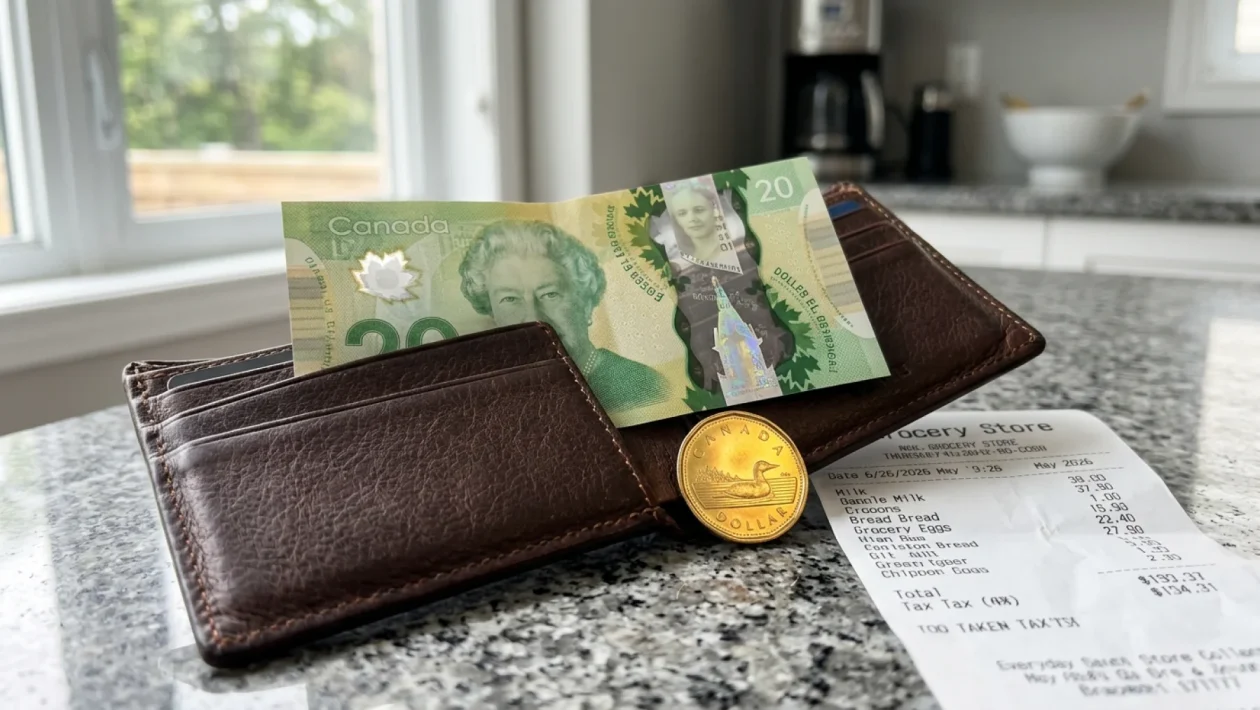
You are paying more for almost everything, and the folks in Ottawa are currently rewriting the rules of the game. The inflation target Canada relies on to dictate interest rates is facing a massive, structural shakeup as we push through the spring of 2026. If you thought the relentless price tags at the pumps or the grocery store were finally going back to “normal,” you need to understand exactly what this new economic baseline means for your hard-earned cash.
Think of the central bank’s inflation mandate like the thermostat in your house. When they tweak the target, they are fundamentally altering the temperature of the entire housing and job market. We are going to break down how to shield your savings, outsmart the banks, and tweak your budget before these new monetary policies eat into your paycheck.
The 2026 Bank of Canada Reset Explained
Every five years, the Bank of Canada and the federal government sit down to renew their inflation-control agreement. Right now, in 2026, we are sitting on the edge of the most hotly debated renewal in modern history. Since 1991, the golden rule has been to aim for a strict 2% inflation rate.
But the world has changed. Supply chains are permanently scarred, and keeping inflation pinned perfectly at 2% is like trying to drive a nail with a sledgehammer—it causes massive collateral damage to the job market. The current debate centers on whether the central bank should accept a higher, more flexible range of 2.5% to 3% as the permanent new normal.
Here is a hard, sobering fact: adjusting the national inflation target by just a single percentage point over a decade can wipe out over 10% of your total purchasing power. If they officially raise the ceiling this year, the value of the cash sitting in your checking account will evaporate faster than ever before.
How This Policy Shift Impacts Your Everyday Wallet
A shifting economic baseline doesn’t just happen on spreadsheets in Ottawa. It hits you right in the driveway and at the checkout counter. If the Bank of Canada adopts a higher or more flexible target to avoid plunging us into a recession, the cost of borrowing won’t crash back down to the rock-bottom rates we saw a few years ago.
It means the prices at Loblaws or your morning run to Tim Hortons aren’t going to drop. Deflation isn’t on the menu. A new target simply means prices will climb at a slightly different speed. You need to adjust your expectations and your financial toolbelt accordingly.
| Your Wallet | The 2026 Reality |
|---|---|
| Mortgage Renewals | Rates will likely stay “higher for longer” to maintain the new, revised baseline. |
| Consumer Prices | Grocery and gas prices lock in their gains; they will not revert to 2020 levels. |
Strategies to Defend Your Cash Against the New Baseline
You cannot control what the central bank decides later this year, but you can absolutely control how your household reacts to it. Sitting around waiting for government policy to save your budget is a recipe for going broke. You need to be proactive.
“People mistakenly assume an inflation target means prices will eventually go back to normal. In reality, it just means the bleeding slows down. You have to aggressively out-earn the target, not wait for it to save you.” – David Rosenberg, Leading Canadian Economist
Here is the exact blueprint to inflation-proof your household finances right now:
- Audit your variable debt: If you are carrying a variable-rate mortgage or a massive line of credit, look into locking in a fixed rate. If the Bank of Canada accepts a higher inflation target, interest rates won’t drop as fast as you are hoping.
- Restructure your emergency fund: Stop letting cash rot in a traditional savings account. Move your liquid emergency funds into high-yield Canadian accounts or cash ETFs that actually outpace the new baseline.
- Negotiate your income aggressively: If the inflation target Canada adopts hovers around 2.5% to 3%, your annual salary bump needs to be at least 4% just for you to tread water. Know your worth and demand it.
Frequently Asked Questions
Is the Bank of Canada officially abandoning the 2% rule?
As of right now, the 2% target is still technically the anchor. However, the 2026 mandate renewal discussions are heavily focused on giving the bank more flexibility. They might not formally abandon 2%, but they will likely tolerate staying at 3% for much longer periods without hiking rates.
How will this affect my upcoming mortgage renewal?
If you are renewing your mortgage soon, expect a radically different landscape. A more relaxed inflation target means the Bank of Canada won’t aggressively slash their overnight rate. You should budget for rates to remain structurally higher than the pandemic-era lows.
Should I stop investing if inflation stays high?
Absolutely not. Halting your investments is the worst move you can make. When cash loses value, hard assets like real estate and solid blue-chip equities are historically the best tools to preserve your purchasing power over the long haul.
🤝 Good luck out there navigating these shifting financial winds. The economy is a beast, but with a little foresight, you can build a solid fence around your household wealth.
💡 Remember, relying on the central bank or the government to protect your purchasing power is a losing game. You are the ultimate master of your own budget.
📱 Share your thoughts in the comments below. Are you noticing the pinch, and what are you doing to fight back against the rising costs this spring?
👇 Take charge of your wallet today, because the 2026 reset is already well underway!